Author:Arooba
Released:November 11, 2025
Small bathrooms demand strategic storage solutions. The average bathroom measures between 35 and 40 square feet, yet needs to accommodate toiletries, towels, cleaning supplies, and personal care items. Selecting appropriate shelving transforms limited square footage into a functional, organized space.
Over-Toilet Shelving: Maximizing Vertical Space
Over-toilet installations capture unused vertical area without consuming floor space. This approach works particularly well in bathrooms where traditional cabinets would create congestion near doorways or reduce the movement area around sinks and showers.
Before selecting an over-toilet unit, confirm whether your toilet tank is standard-height or comfort-height. Comfort-height toilets sit 2–3 inches taller, which can reduce usable shelf clearance and affect fit. Measure from the tank lid, not the bowl, to avoid installation issues.
Freestanding vs. Wall-Mounted Units
Freestanding over-toilet shelves rest on the floor and extend upward around the toilet tank. These units typically offer three to four tiers and require no wall installation, making them a practical option for renters or bathrooms where drilling isn’t ideal.
Before purchasing, measure the distance from your toilet tank to the ceiling. Most freestanding units need at least 68 inches of vertical clearance, and the base must fit your specific toilet shape, which can vary between round and elongated bowl styles.
For better long-term stability, look for freestanding models with rear cross-bracing or adjustable leveling feet. These features help compensate for uneven bathroom floors and significantly reduce wobble over time, especially when shelves are fully loaded.
Wall-mounted over-toilet shelving attaches directly to the wall above the tank. These floating designs create a more open visual appearance and make floor cleaning easier by eliminating ground contact.
Installation requires locating wall studs or using heavy-duty anchors rated for the weight you plan to store. Standard drywall anchors typically support up to 50 pounds, while properly secured studs can handle significantly more weight.
If studs are not centered over the toilet, consider a mounting rail system that allows brackets to shift horizontally. This provides installation flexibility without sacrificing load capacity or relying entirely on drywall anchors.
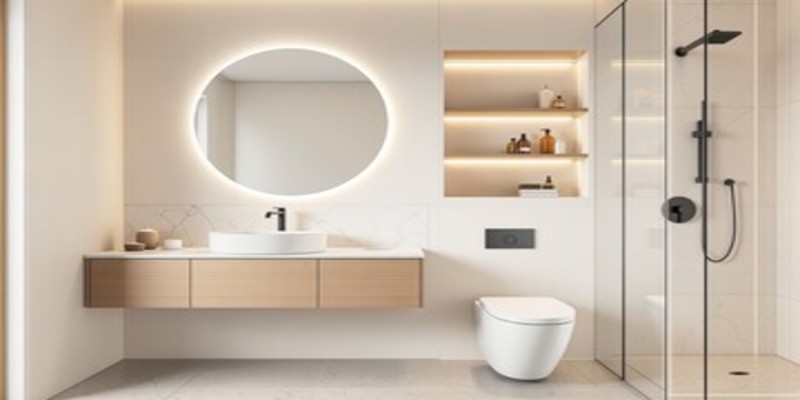
Practical Loading Strategy
Position frequently used items on the middle shelves between hip and eye level. Reserve the top shelves for backup supplies, seasonal items, or decorative elements. Bottom shelves work well for cleaning supplies stored in caddies or small bins. Avoid storing heavy items on upper shelves in freestanding units, as this creates instability.
To prevent visual clutter, limit open shelving to 60–70% capacity. Leaving negative space improves both accessibility and the bathroom's perceived size.
Wall-Mounted Storage: Strategic Placement Techniques
Wall mounting eliminates floor clutter and makes small bathrooms appear larger by maintaining visual flow along the floor line.
Shower and Tub Storage
Install corner shelves in showers using rust-resistant materials. Stainless steel, aluminum, and specially treated metals withstand constant moisture exposure. Position shelves between 48 and 60 inches from the shower floor for comfortable access without requiring excessive reaching. Corner placement preserves elbow room in compact shower stalls.
Avoid deep shelves inside the shower. Depths greater than 5–6 inches encourage product overcrowding and trap water, increasing the risk of mold.
Adhesive mounting systems work for lightweight plastic or acrylic shelves holding standard-sized bottles. For heavier glass or metal shelving, drill into studs or tile backers. When drilling through tile, use carbide-tipped bits and start with a small pilot hole to prevent cracking.
In rental bathrooms, choose adhesive systems rated for humid environments and remove them using heat (hair dryer) to minimize tile damage.
Vanity Area Organization
Mount narrow shelves or small cabinets on walls adjacent to mirrors. This placement keeps daily-use items like toothbrushes, face wash, and contact lens solution within immediate reach while keeping counters clear. Standard mounting height for these shelves ranges from 40 to 48 inches, depending on your counter height and personal comfort.
Opt for shelves with a front lip or shallow guard rail in vanity areas to prevent small items from being knocked off during rushed mornings.
Floating shelves above towel bars provide convenient storage for hand towels, washcloths, or decorative items. Install these 8 to 12 inches above the towel bar to allow easy towel removal without interference.
Organizing Systems That Maintain Order
Storage solutions only function effectively with systematic organization. Establishing zones and maintaining boundaries between different product categories prevents the gradual return to cluttered counters.
Category-Based Zoning
Designate specific shelves or sections for distinct categories—group hair care products separately from skincare items. Keep first aid supplies together in a labeled container. This approach reduces morning search time and helps identify when you're running low on specific items.
For shared bathrooms, assign zones by user rather than product type to minimize daily reshuffling and accidental mix-ups.
Store medications and supplements in their designated areas, preferably in a cool, dry place away from shower steam. Medicine cabinets above sinks are subject to temperature and humidity fluctuations that can degrade certain medications.
Container Selection and Labeling
Clear containers allow a quick visual inventory without opening multiple boxes. Uniform container sizes create visual cohesion and maximize shelf space by eliminating gaps between mismatched boxes. Select containers slightly smaller than your shelf depth to prevent items from getting pushed to the back and forgotten.
Ventilated containers are preferable for items stored near showers, as airflow reduces moisture buildup and mildew odors.
Label containers on the front edge where labels remain visible when items sit on shelves. This simple step helps other household members maintain your organizational system and prevents items from being misplaced.
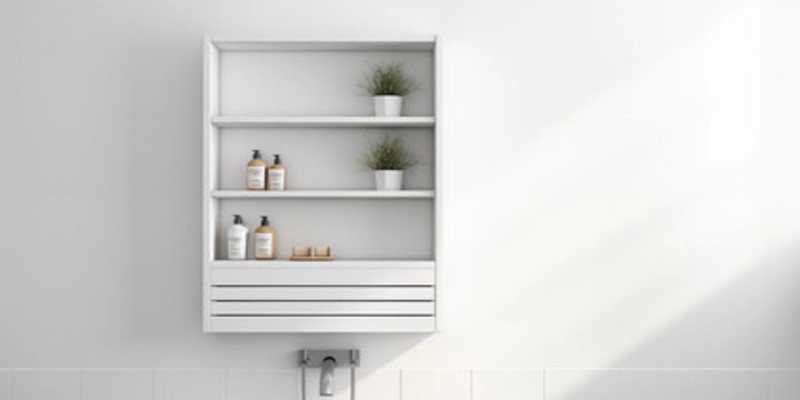
Material Selection for Bathroom Environments
Bathroom humidity and temperature fluctuations directly affect shelf longevity, making material choice a key factor in both durability and ongoing maintenance.
Moisture-Resistant Options
Bamboo shelving naturally resists water damage and offers a sustainable alternative to traditional wood. When adequately sealed, bamboo performs well in bathroom environments and adds warmth that contrasts with cold tile and metal fixtures. To maintain water resistance, reapply sealant annually.
When choosing bamboo shelves, laminated bamboo is preferable to solid planks, as it is more dimensionally stable and less prone to warping under fluctuating humidity.
Powder-coated metal shelving provides better rust resistance than standard painted metal. For bathrooms with consistently high humidity—such as those with shower surrounds—look for marine-grade or outdoor-rated powder coatings.
Avoid chrome-plated steel in poorly ventilated bathrooms. Once the chrome layer is compromised, rust can spread beneath the surface and is difficult to stop or repair.
Solid surface materials, including acrylic and certain plastics, resist moisture damage and are easy to clean. These options are typically more affordable than wood or metal while offering sufficient durability for most bathroom storage needs.
Select thicker acrylic shelves (at least 6–8 mm) to prevent bowing under weight, especially when storing full-size shampoo bottles or folded towels.
Glass shelving creates a clean, lightweight look but requires careful material selection. Tempered glass is essential for bathroom use due to safety concerns. Textured or frosted finishes help reduce the visibility of water spots and fingerprints.
For hardware, pair glass shelves with stainless steel or aluminum brackets rather than zinc alloys, which tend to corrode more quickly in humid environments.
Regardless of material choice, proper ventilation remains critical. Even moisture-resistant shelves will degrade faster in bathrooms without exhaust fans or operable windows.
Installation Planning and Measurements
Measure wall sections carefully before purchasing shelving. Record the width, available height, and the distance from adjacent fixtures such as light switches, outlets, and door swings. Bathroom doors typically require 32 to 36 inches of clearance for comfortable passage.
When planning shelf placement, account for towel movement and door arcs. Shelves installed too close to swinging doors or towel bars quickly become daily annoyances and limit access.
Before installation, check the wall composition. Tile backers and wall studs provide the most secure mounting, while standard drywall requires appropriate anchors. Use a stud finder to locate framing, or tap along the wall—solid sounds indicate studs, while hollow sounds suggest empty drywall bays.
Once placement is confirmed, maintain consistent spacing between multiple shelves. Standard spacing of 10 to 14 inches accommodates most bottles and containers while maximizing vertical storage capacity.
If you store taller pump bottles, measure the tallest item you own and add at least 1 inch of clearance to avoid awkward tilting or difficult removal.



-
Home Improvements
How To Get Stains Out Of Granite Countertops Safely
January 21, 2026
-
Home Improvements
What Your Kitchen Handles Say About Your Style - and How to Get It Right
January 21, 2026
-
Home Improvements
Shower Door Replacements For Clear And Inviting Entries
November 20, 2025
-
Home Improvements
Roll-Out Drawers For Accessible And Aesthetic Essentials
November 19, 2025
-
Home Improvements
Upgrade Your Bathroom Faucet For Water Efficiency And Comfort
November 14, 2025
-
Home Improvements
Bringing Nature Inside: Best Bathroom Plants For a Peaceful Space
November 10, 2025