Author:Arooba
Released:November 14, 2025
That drippy bathroom faucet in the guest bath? It's probably wasting 3,000 gallons yearly. The one in the master with the weak flow? Likely running twice as long to get simple tasks done, defeating any efficiency it promised.
Upgrading doesn't mean ripping out excellent plumbing or spending thousands. Small, strategic changes to existing fixtures can slash water bills while actually improving the daily handwashing experience. The catch: knowing which upgrades deliver real results versus marketing fluff.
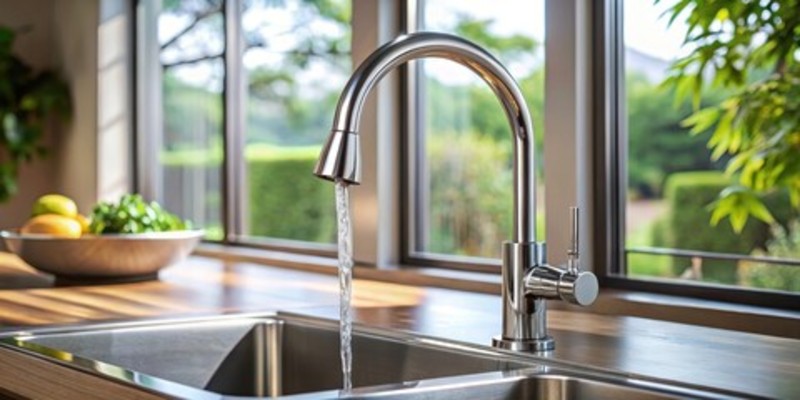
Why Touchless Faucets Actually Save Water
Sensor-activated models sound gimmicky until the water bill arrives. Touchless faucets cut consumption because they only run when hands are directly underneath; no water flows while scrubbing with soap; no forgetting to shut valves tight.
Most units fit standard sink holes without calling a plumber. Battery-powered sensors last 12-18 months before needing fresh AAs. The initial cost (usually $150-$400) gets recovered through lower bills within the first year for average households.
According to household water usage data, an average family of four can save between 1,000 and 2,500 gallons per year with a touchless faucet.
Key benefits that matter:
- Hands stay cleaner since there's no handle contact after washing
- Kids can't accidentally leave the bathroom faucet running
- Sensors adjust flow duration based on hand presence
- Works with existing hot/cold supply lines
Installation typically takes about an hour for a DIYer, and most units cost $150–$400, depending on brand and features.
The downside? Cheaper models have laggy sensors that frustrate users. Spending an extra $50-$75 for mid-range options with faster response times prevents that aggravation. Delta and Moen both make reliable touchless faucets that install in under an hour.
Low-Flow Aerators That Don't Feel Weak
Screwing an $8 aerator onto the bathroom faucet spout takes three minutes and cuts water use by 30-60%. These mesh attachments mix air into the stream, creating a full-pressure feel while using 1.5 gallons per minute instead of 2.2.
For optimal pressure, choose aerators rated at 1.5 GPM; cheap 1.0 GPM models often feel too weak for effective handwashing.
High-quality brands like Niagara Conservation and Neoperl offer aerators for $8–$15 that maintain a strong stream while reducing water use by up to 60%.
The trick is buying quality aerators with proper engineering. Cheap versions create a thin, sad trickle. Niagara Conservation and Neoperl make aerators that actually maintain satisfying pressure. Standard faucets already have removable aerators; unscrew the tip, check the size (usually 15/16" or 13/16"), and replace it.
What changes immediately:
- Water bills drop without changing habits
- Less energy is spent heating water that goes down the drain
- Splashing decreases due to better stream control
- Calcium buildup happens more slowly with aerated flow
Cleaning or soaking aerators every 3–6 months prevents calcium buildup and maintains consistent flow.
Hard water areas see another benefit. Low-flow aerators reduce mineral deposits that clog spouts over time. The bathroom faucet stays cleaner longer between deep scrubbing sessions.
Chrome Finish Maintenance Without Harsh Chemicals
Water spots and fingerprints dull chrome fast. That mirror shine on a new bathroom faucet disappears within weeks without proper care. The good news? Keeping it bright takes minimal effort with the right approach.
Daily wipe-downs prevent 90% of problems. After each use, hit the fixture with a dry microfiber cloth. This stops water droplets from drying into those annoying white spots. For weekly cleaning, warm water on a soft cloth handles fresh buildup.
Stubborn mineral deposits need vinegar. Mix equal parts white vinegar and water, apply with a cloth, wait five minutes, rinse, and dry. This dissolves calcium without scratching. Skip the commercial cleaners; most contain abrasives or acids that permanently damage chrome plating.
The real enemy is rough scrubbing. Steel wool and harsh sponges create microscopic scratches that trap dirt, making long-term maintenance of the chrome finish more complex. Stick with soft cloths and gentle pressure. For crevices around the bathroom faucet base, an old toothbrush with soft bristles works perfectly.
Therapeutic Water Control Features Worth Having
Mid-wash temperature swings are annoying and wasteful. Newer bathroom faucet models with thermostatic valves hold steady temperatures within one degree—no more jumping back when the water suddenly runs scalding or ice-cold.
Some upgraded fixtures offer adjustable flow patterns, a concentrated stream for quick rinsing, a gentle cascade for a calmer feel, or an aerated mist for minimal water use.
Switching between modes is as simple as flipping a lever. The concentrated setting cleans efficiently, while the cascade mode adds a spa-like element to routine handwashing.
Thermostatic valves typically cost $100–$200 and can reduce the 8–15 seconds spent adjusting the temperature per wash, saving hundreds of gallons annually.
Programmable controls seem excessive until you experience them firsthand. Set the preferred temperature once, and the bathroom faucet remembers it. One-touch activation delivers that exact setting instantly. No fiddling with handles while water runs down the drain, finding the right mix.
The practical upside goes beyond comfort. Consistent temperatures mean less time adjusting, which means less wasted water. Therapeutic water control features reduce the 8-15 seconds most people spend per handwashing just getting the temperature right, multiply that across daily uses, and the savings add up fast.
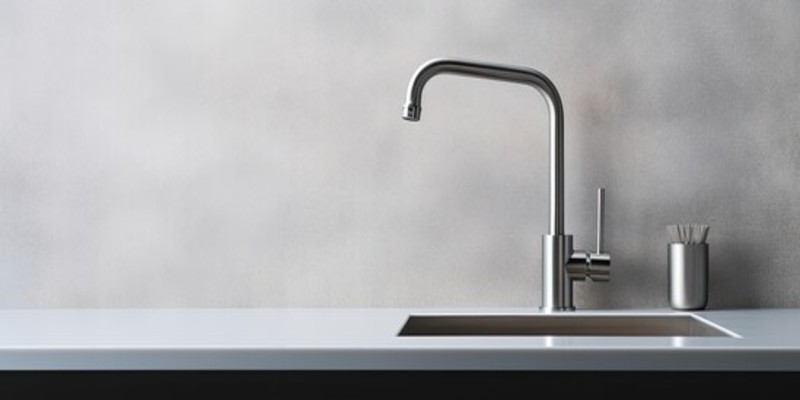
Matching Efficiency with Better Performance
Combining upgrades creates bigger results than individual changes. Installing touchless faucets with low-flow aerators already attached gives sensor convenience plus water savings in one move. Add therapeutic water control capabilities, and the bathroom faucet becomes both practical and pleasant to use daily.
Construction quality matters here. Solid brass fixtures with proper chrome finish maintenance routines outlast cheaper zinc alloy models by 10-15 years. The higher upfront cost is offset by avoiding the need to replace broken cartridges or corroded handles every few years.
Innovative features are creeping into bathroom fixtures now. Voice-activated models connect to home systems, though the benefit for a sink faucet remains questionable for most households. Tracking water usage through an app has more practical value; seeing gallons consumed per day motivates conservation better than vague goals about "using less."
The real test is whether upgrades improve daily life while cutting bills. A bathroom faucet that looks good, works smoothly, and reduces water waste hits all three targets—anything beyond those edges is into luxury territory, where personal preference drives decisions more than efficiency metrics.
Making the Upgrade Decision
Most bathroom faucet problems point toward specific fixes. Weak flow? Check the aerator first before replacing the whole unit. Inconsistent temperature? A thermostatic valve upgrade solves that for $100-$200. Water running too long?
Touchless faucets address the waste directly.
Low-flow aerators provide immediate results for under $15, mid-range touchless faucets run $200–$400, and premium faucets with therapeutic controls range from $600–$1,200, all delivering measurable water savings.
DIY installation is feasible for aerators and most touchless faucets, while advanced fixtures with integrated thermostatic controls may require a plumber unless you’re comfortable with supply lines and drains.
Even with premium fixtures, regular wiping and occasional vinegar treatments keep the chrome finish pristine, meaning long-term maintenance is similar across price tiers.
Ready to cut water bills without sacrificing comfort? Start with a quality low-flow aerator to test the concept, then upgrade to touchless faucets or therapeutic controls as budget allows. Small changes compound into significant savings over time.
By combining touchless technology, low-flow aerators, and thermostatic valves, an average household can realistically cut bathroom water use by 20–40% per year.


-
Home Improvements
How To Remodel Your Home For Aging In Place: Key Considerations
January 12, 2026
-
Home Improvements
Warm Minimalist Home Decor Ideas That Feel Simple But Comfortable
January 10, 2026
-
Home Improvements
Minimalist Kitchen Design Ideas For A Sleek, Clutter-Free Home
January 3, 2026
-
Home Improvements
How To Remove Stains From Quartz Countertops Effectively
December 4, 2025
-
Home Improvements
Space-Saving Shelving Solutions For Serene Bathroom Organization
November 11, 2025
-
Home Improvements
Make Your Towels And Sheets Easy To Find: Practical Linen Closet Tips
November 6, 2025