Author:Andy
Released:January 12, 2026
You might be overlooking the most valuable upgrade your home can get. While many focus on trendy kitchen backsplashes or smart gadgets, they often miss a chance to make their home safe, functional, and comfortable for decades.
Aging-in-place remodeling is about future-proofing your home, so it works for you now and in the years to come.
This isn't about turning your home into a medical facility. It's about Universal Design: making spaces easy to use for everyone, regardless of age or mobility. Simple adjustments now can boost your home's value and save you the hassle of moving later. Let's look at how to turn your current house into a home that lasts.
The Strategic Advantage Of Aging In Place Remodeling
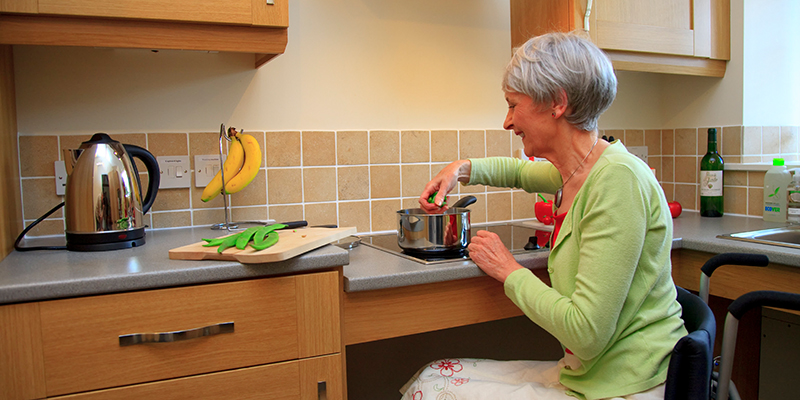
When we talk about aging-in-place remodeling, we’re really talking about staying independent longer. Most people age 50 and older want to stay in their current homes as they get older; a full 73 % said they prefer to stay put rather than move to a new house or facility.
Yet the typical American home wasn’t built for that, so simple features like zero-step entrances, wide halls, lever handles, and accessible switches are missing in the vast majority of houses. Only about 1 % of homes have all five of these key features today.
Making a home easier to use doesn’t mean it has to look institutional. Modern upgrades like curbless showers, designer grab bars, and wider doorways can feel stylish, more like a spa or thoughtful living space than a hospital. Most remodelers now report strong demand for these updates, especially grab bars and curbless showers, which also help prevent falls and make bathrooms safer for everyone.
The Bathroom Remodel For Elderly Safety And Luxury
The bathroom is statistically the most dangerous room in the house due to slippery surfaces and tight spaces. A comprehensive bathroom remodel for elderly residents, or those planning for the future, focuses on three things: accessibility, stability, and visibility.
The Curbless Shower Revolution
The gold standard in-place bathroom design is the curbless, or zero-entry, shower. By removing the 4 to 6-inch curb found in traditional showers, you eliminate a major trip hazard.
Design Tip: Use a linear drain at the entrance or the back of the shower to allow for a single-slope floor. This makes the bathroom feel larger and allows a wheelchair or walker to roll right in without obstruction.
Material Choice: Opt for small-format tiles (2x2 inches or smaller) for the shower floor. More grout lines mean more friction and better slip resistance.
Grab Bars That Look Like Art
Forget the industrial chrome bars of the past. Modern aging-in-place remodeling utilizes integrated grab bars. These are towel racks, toilet paper holders, and soap dishes that are structurally reinforced to support up to 250–500 pounds. They blend seamlessly into your decor while providing essential points of contact throughout the room.
Comfort-Height Toilets And Vanities
Standard toilets are often too low, making it difficult for those with knee or hip issues to stand up. A comfort-height or chair-height toilet sits about 2 inches higher and makes a world of difference. Similarly, floating vanities can be installed at custom heights to accommodate someone who may need to sit while brushing their teeth or shaving.
Kitchen Ergonomics: Designing For Ease And Access
A kitchen should be a place of joy, not a series of high-reaching and deep-bending obstacles. In the context of sustainable home remodeling, accessibility means making every tool and ingredient readily accessible with minimal effort.
Pull-Out Everything: Replace standard base cabinets with deep drawers or pull-out shelves. This prevents the need to kneel on the floor to find a pot at the back of the cupboard.
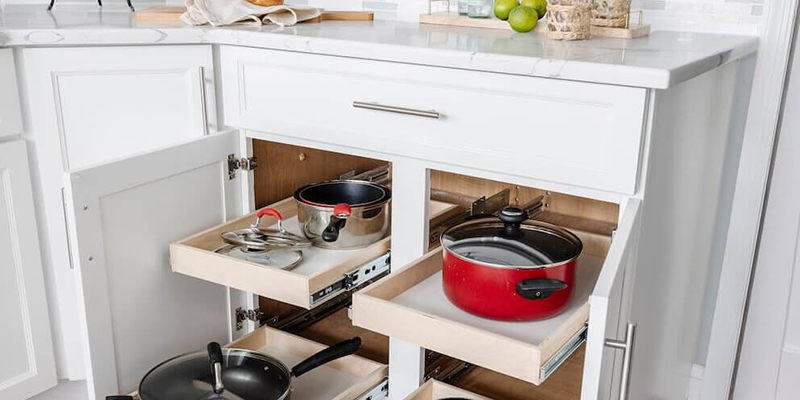
The D-Shaped Pull: Swap out small round knobs for D-shaped handles. These are much easier for someone with arthritis to grip and pull.
Induction Cooktops: These are a safety essential for aging-in-place remodeling. Because the surface stays cool to the touch and features an automatic shut-off, the risk of accidental burns or fires is nearly eliminated.
Multi-Level Countertops: Consider having a section of the countertop at a lower height (30 inches instead of the standard 36). This allows for food prep while seated, which is a great way to conserve energy.
Enhancing Mobility: Flooring, Lighting, And Entryways
The connective tissue of your home, the hallways, doors, and floors, dictates how much of your house you can actually use.
Widening The Path
Standard interior doors are often 28 to 30 inches wide, which is too narrow for a walker or wheelchair. During an aging-in-place remodeling project, aim for a minimum of 32 inches, though 36 inches is the professional recommendation. If widening the frame isn't in the budget, swing-clear hinges can add an extra two inches of clearance by moving the door entirely out of the opening.
Lighting As A Safety Feature
Vision often declines with age, making shadows dangerous.
Task Lighting: Add LED strip lighting under cabinets and inside closets.
Motion Sensors: Install motion-activated lights in hallways and bathrooms. This ensures that if you get up in the middle of the night, your path is automatically illuminated without you having to fumble for a switch.
Rocker Switches: Replace traditional toggle switches with large rocker-style plates that can be operated with a palm or an elbow.
Flooring: The Foundation Of Safety
Avoid thick, plush carpeting, which can be a major trip hazard and makes it difficult to use a walker. Instead, choose luxury vinyl plank (LVP) or a matte-finished hardwood. These provide a smooth, level surface. Ensure there are no transitions or thresholds between rooms; the floor should be one continuous, level plane.
The Ultimate Aging In Place Remodeling Checklist
Use this checklist when consulting with a contractor to ensure your home meets the highest standards of Universal Design.
Exterior And Entryways
- At least one no-step entry into the home (front door, back door, or garage).
- Motion-sensor floodlights at all entrances.
- A landing surface next to the door to place packages while you unlock the house.
- Non-slip surfaces on all walkways and ramps.
Interior Circulation
- 36-inch wide hallways.
- Lever-style door handles instead of round knobs.
- Windows that are easy to open (crank-style casement windows are often best).
- A bedroom and full bathroom are located on the main floor.
The Bathroom Design
- Curbless shower with a built-in bench or space for a shower chair.
- Handheld showerhead with a minimum 60-inch hose.
- Reinforced walls (blocking) for future grab bar installation.
- Non-slip flooring with a high Coefficient of Friction (COF) rating.
The Kitchen Design
- Side-by-side refrigerator for easy access to both freezer and fresh food.
- Microwave placed at counter height, not above the range.
- Raised dishwasher (about 6-12 inches off the floor) to reduce bending.
- High-contrast edges on countertops help those with low vision distinguish surfaces.
Hiring A Professional: Why The CAPS Designation Matters
You wouldn't hire a plumber to fix your roof, and you shouldn't hire a general contractor for a specialized aging-in-place remodeling project. Look for a professional with the CAPS (Certified Aging-in-Place Specialist) designation. The NAHBB has trained a CAPS professional to understand the unique needs of older adults and the specific accessibility requirements of building codes.
They can help you prioritize your budget, focusing on high-impact changes like the bathroom remodel for elderly safety before moving on to aesthetic upgrades. They also understand how to integrate these features so they look like high-end design choices rather than medical additions, preserving your home's resale value.
Your Forever Home Is Within Reach
Remodeling for the future is one of the smartest, most compassionate things you can do for yourself and your family. By embracing aging-in-place remodeling today, you are choosing a life of dignity, safety, and continued independence in the place you love most. Don't wait for a reason to change; start building the home that will take care of you.
-
Home Improvements
How to Turn Your Unfinished Basement Into a Luxury Suite for Under $5k
January 5, 2026
-
Home Improvements
Shower Door Replacements For Clear And Inviting Entries
November 20, 2025
-
Home Improvements
A Step Toward Relaxation: Converting To a Japanese Ofuro
November 19, 2025
-
Home Improvements
From Chaos To Calm: Master Bathroom Organization With Tiered Trays
November 9, 2025
-
Home Improvements
Revive Your Tub: How Bathtub Refinishing Restores Comfort And Style
November 8, 2025
-
Home Improvements
Make Your Towels And Sheets Easy To Find: Practical Linen Closet Tips
November 6, 2025