Author:Tooba
Released:January 5, 2026
An unfinished basement often feels like wasted square footage. Concrete walls, exposed ceilings, and poor lighting make it easy to ignore the space altogether. The good news is that transforming it into a polished, comfortable suite does not require a massive renovation budget.
With a clear plan, realistic expectations, and a hands-on approach, you can create a high-end feel for under $5,000 by focusing on visual impact rather than structural changes. The key is knowing where to spend, where to save, and what to avoid entirely.
Start With a Clear Assessment of the Space
Before thinking about finishes or furniture, you need to understand what you're working with. Basements come with unique challenges that can ruin a project if ignored early.
Check for Moisture First
Moisture is the biggest threat to any basement upgrade. A simple test can save you from costly mistakes later.
- Tape clear plastic sheets to the floor and walls
- Leave them in place for 48 hours
- Look for condensation or damp spots
If moisture shows up, your first expense should be sealing and humidity control. Painting or installing floors before addressing this will lead to peeling, warping, or mold.
Set Budget-Realistic Goals
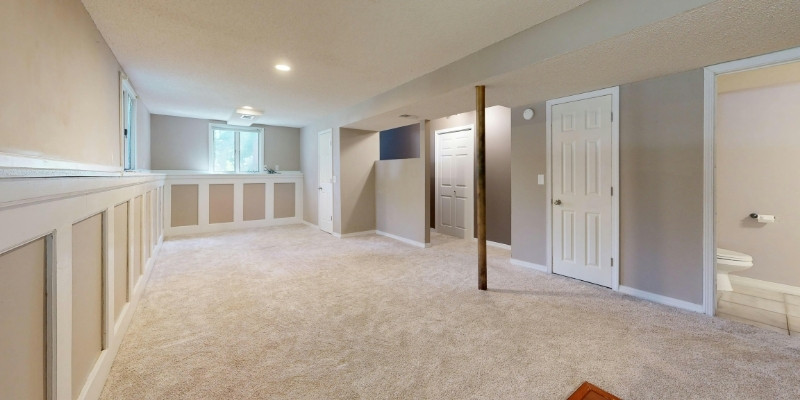
A $5,000 budget does not stretch to full plumbing additions or major layout changes. Instead, aim for a “dry” luxury suite that works as:
- A guest bedroom
- A private office
- A lounge or media space
Avoid moving walls, relocating drains, or adding bathrooms. Those steps alone can exceed your entire budget.
Plan for Time as Well as Money
Saving money usually means offering your own labor. That trade-off is unavoidable on a tight budget.
How Long a Budget Basement Takes
Most DIY basement conversions take about four to six weeks of evening and weekend work. Painting, flooring, and lighting all take longer when done carefully by one person.
Rushing increases the risk of uneven floors, sloppy paint lines, or wiring mistakes. Slow progress with clean results always looks better than fast work that shows flaws.
Safety Rules You Should Not Ignore
A basement can look beautiful and still be unsafe. Luxury means nothing if the space does not meet basic safety standards.
Egress and Legal Use
If the room will be used for sleeping, most building codes require an egress window or secondary exit. If your basement does not have one:
- Use the space as a lounge, office, or hobby room
- Avoid advertising it as a bedroom
This keeps the project legal and avoids serious safety risks.
Electrical Limits Matter
Older homes often have limited electrical capacity in basements. Stay within safe boundaries.
- Use existing outlets whenever possible
- Avoid high-load heaters and oversized entertainment systems
- Leave new circuits to licensed electricians
Attempting advanced electrical work yourself can create long-term fire hazards.
Smart Wall Solutions That Don't Break the Budget
Bare concrete walls are one of the biggest reasons basements feel unfinished. Traditional framing and drywall look great but cost a lot and reduce usable space.
Painted Concrete for a Clean Look
Painting concrete walls is one of the most affordable upgrades available.
- Apply a masonry sealer first
- Use light, neutral paint colors
- Keep the finish simple and uniform
This approach brightens the room and makes the walls feel intentional rather than temporary.
Add Texture Without Full Drywall
If the walls feel too rough or cold, consider alternatives that add warmth without full construction.
- Fabric wall panels
- Thin wood furring strips with decorative plywood
- Removable wall treatments in seating areas
These options add character and comfort without the mess and cost of traditional drywall.
Flooring Choices That Handle Basement Conditions
Flooring dramatically affects how a basement feels and often takes up a large portion of the budget, so choosing the right material is important.
Best Budget-Friendly Options
Luxury Vinyl Plank, or LVP, is a popular choice for basements because it handles moisture well and looks like real wood. Most LVP products are waterproof, resist mold and mildew, and install easily with a click-together system.
A typical 500-square-foot basement can be covered for $1,500-$3,000, depending on quality. LVP also comes in many wood-look patterns, so it can give a warm, finished feel even in a lower-level space.
Other affordable options include large area rugs placed over sealed concrete, which can soften the floor and define areas, or carpet tiles that allow for easy replacement if a section gets damaged. Both are budget-friendly and flexible.
Avoid materials like solid hardwood or laminate that trap moisture or require glue, because these can warp or peel in damp basement environments. Proper underlayment and a moisture barrier can further extend the life of any basement flooring choice.
Ceiling Solutions That Add Height and Style
Drop ceilings often feel dated and reduce ceiling height. There's a simpler option that costs less and looks intentional.
The Painted Exposed Ceiling Approach
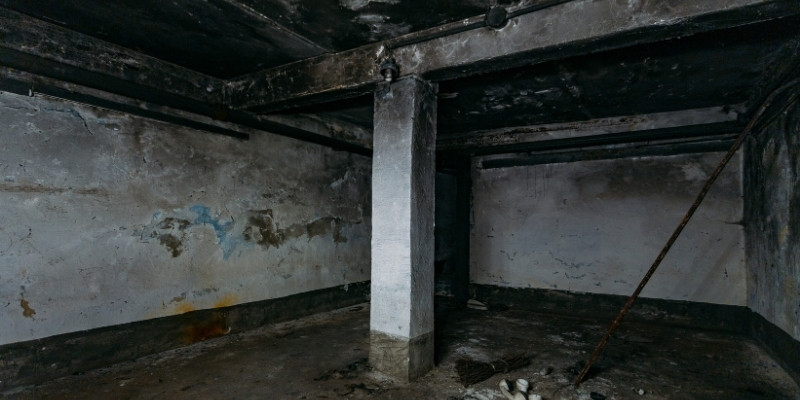
Painting the exposed joists, pipes, and ductwork creates a modern, finished look while preserving height.
- Use a single dark color like charcoal or black
- Rent or borrow a paint sprayer for clean coverage
- Mask walls and floors carefully
This technique hides visual clutter and gives the space a loft-style feel without construction.
Lighting That Makes the Space Feel Finished
Lighting plays a bigger role than almost any other element in a basement suite. Poor lighting instantly reminds people they are underground.
Layered Lighting Works Best
Relying on one overhead fixture creates harsh shadows and dead zones. Instead, layer light sources.
- Track lighting aimed at walls
- Floor lamps for warm, eye-level light
- LED strip lighting hidden behind simple trim
This combination adds depth and helps the room feel larger and more inviting.
Avoid Common Basement Upgrade Mistakes
Even small mistakes can shorten the life of a basement remodel, especially when working on a tight budget.
Watch for Moisture Traps
Basements are naturally prone to dampness, so using materials that don't breathe can cause long-term problems like mold, mildew, or warped finishes. Avoid plastic barriers behind decorative panels, non-breathable carpet padding, and paints or stains not rated for below-grade use.
Even some adhesives can trap moisture if applied directly to concrete without a proper sealant. Remember that a cooler, dry space is always better than a warmer area hiding water damage.
Overlooking Ventilation
Many DIY remodels forget proper airflow. Without vents or dehumidifiers, condensation can build up behind walls or under flooring, causing hidden problems.
Installing a small exhaust fan or running a dehumidifier during and after construction can prevent costly repairs later.
Improper Insulation Choices
Using standard fiberglass batts against concrete walls can lead to trapped moisture and mold. Choose insulation specifically designed for basements or apply a moisture barrier recommended for below-grade walls.
Know When to Call a Professional
Some tasks are too risky to DIY. Structural changes, support post adjustments, or moving gas lines should always be handled by licensed experts. Even an hour of paid consultation can prevent thousands in mistakes. Electrical work near water sources, like sump pumps or basement outlets, also deserves professional attention.
Small missteps in materials, ventilation, and safety planning can quickly turn a budget-friendly upgrade into a costly headache. Planning carefully and using the right products keeps your basement comfortable, safe, and durable for years.
Design for Comfort, Not Just Looks
A basement suite should feel comfortable year-round, not just visually appealing.
Temperature and Airflow
Basements stay cooler naturally, which helps in warm months but feels uncomfortable in winter.
- Use area rugs to reduce cold floors
- Keep HVAC vents clear
- Choose furniture that allows airflow
These small adjustments make the space usable throughout the year.
Arrange the Layout Intentionally
Natural light is limited, so placement matters.
- Put seating or work areas near windows
- Use darker corners for storage or media setups
- Let light guide how the room is divided
This approach makes the space feel balanced and purposeful.
A Smart Finish Without Overspending
Turning an unfinished basement into a luxury-style suite under $5,000 comes down to restraint and planning. Skipping structural changes, managing moisture early, choosing durable materials, and using lighting creatively all work together to reshape the space.
When safety stays front and center, and spending focuses on visible impact, the result feels intentional, comfortable, and surprisingly refined. With patience and clear priorities, that forgotten basement can become one of the most enjoyed rooms in the home.




-
Home Improvements
1-Day Walk-in Shower Upgrade: Here’s the Estimated Cost
January 20, 2026
-
Home Improvements
Warm Minimalist Home Decor Ideas That Feel Simple But Comfortable
January 10, 2026
-
Home Improvements
Selecting Freestanding Tubs As Relaxation Focal Points
November 21, 2025
-
Home Improvements
Smart Under-Sink Caddies For Hidden And Harmonious Storage
November 17, 2025
-
Home Improvements
Modular Cabinetry For Efficient And Calming Storage Layouts
November 16, 2025
-
Home Improvements
Minimalist Mirrors With Integrated Lighting For Calm Reflections
November 11, 2025