Author:Arooba
Released:November 21, 2025
Have you ever entered a bathroom and immediately felt your shoulders drop? Was it the space, or the light--or was it the tub stealing the limelight noiselessly up?
Increasing numbers of homeowners are planning bathrooms around a single aesthetic anchor, and the freestanding tub has taken over that role. It is not only about bathing anymore. It is about taking a break in the day, a deliberate, hedonistic personal getaway. The following are design-wise, do-it-yourself hints on how you can settle on a tub that does not merely occupy the room but makes it.
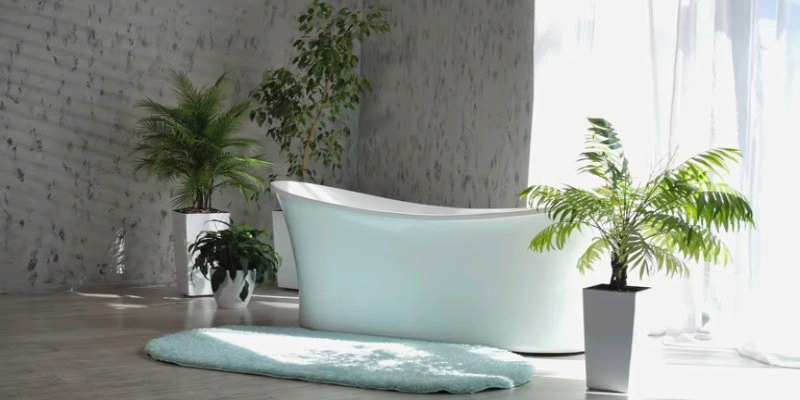
Choose A Shape That Matches How You Actually Relax
It may sound trivial; however, peruse Pinterest, and you will come across endless soaking tub ideas, but not all shapes can serve the same purpose.
Modern spaces feel more natural with oval tubs that make it easy to soak the whole body. Longer baths and reading time are provided on slipper tubs with raised backs. The rectangular designs are modern and best suited to simple houses.
The size of the bathroom: larger tubs can overwhelm small spaces, while smaller tubs may feel cramped for taller users; whether you usually bathe alone or with a partner, double-ended tubs allow two people to soak comfortably; and how often you use the tub for different activities, like washing, reading, using bath oils, or relaxing with music.
Think about ergonomics: deeper tubs allow complete immersion but may require a steeper step-in, while shallow tubs are more convenient for quick baths or washing kids. Edge width and lip design matter if you plan to rest arms, place a book, or set a glass of water nearby.
Also, factor in storage or accessory integration: some tubs offer built-in caddies, shelves, or side ledges that can enhance the relaxation experience without cluttering the bathroom.
Material Matters More Than Most Buyers Realize
The material of a tub affects heat retention, durability, and cost. Acrylic tubs are light and inexpensive, while cast-iron tubs are durable and heavy. Luxury designs are dominated by stone, resin, and solid-surface materials due to their balance of warmth, smooth finishes, and longevity.
When choosing a material, consider how long you typically soak—stone and cast iron retain heat longer, making them ideal for long, spa-like baths, while acrylic warms quickly but loses heat faster.
Smooth acrylic and solid surface tubs are easier to wipe down, while stone may require specialized sealants. For households with children or elderly users, slip resistance and edge softness are key—materials like resin or engineered stone can offer both durability and comfort.
Heavy materials may require reinforced floors or professional installation, which can affect costs and planning.
Think Beyond The Wall: Smart Spa Tub Placement
Newcomers have committed one of the most significant errors by pressing freestanding tubs against the walls. The actual location of the spa tubs involves negative space, positioning the tub close to a window, under a skylight, or at the center of the room (where space permits it within the square footage).
Consider sight lines from the doorway or vanity—placing the tub so it is immediately visible creates a strong focal point. Avoid blocking natural light; positioning near windows or glass doors maximizes brightness and adds a spa-like feel.
In smaller bathrooms, float the tub slightly away from walls to create an illusion of space, and leave at least 12–18 inches around the sides for easy cleaning and movement.
Angling the tub diagonally or centering it on a rug can further enhance symmetry and elegance, making the bathroom feel more open and inviting.
Match The Tub Style With The Architecture Of The Home
Clawfoot tubs suit historic or farmhouse houses, whereas sculptural tubs fit modern construction. The unintentional mixing of eras can turn a bathroom into a disorganized space rather than a considered exhibition.
If you're unsure, brands like Kohler and Duravit offer collections that feature architectur
al styles to help narrow the selection. When selecting, also consider ceiling height and room proportions—tall, dramatic tubs can overwhelm compact spaces, while low-profile designs suit modern lofts.
Materials: Pairing a traditional clawfoot tub with vintage-inspired tiles or wood trim reinforces cohesion, while a sculptural tub looks best against minimalist walls or concrete floors.
For transitional homes, test mock-ups or sketches to visualize how different tub styles harmonize with existing cabinetry, lighting, and fixtures before committing to a design.
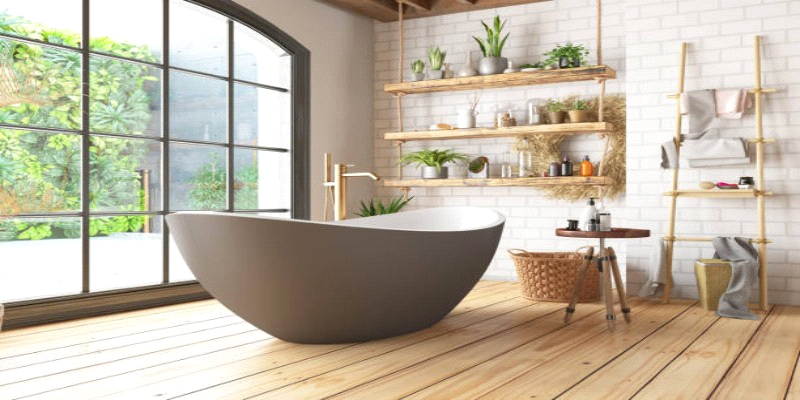
Use Elegant Bath Decor To Frame The Tub
A tub does not make an impression in itself; the surroundings do. Floor-mounted faucets, a textured tile background, diffused light, and a few accessories are among the elegant bath decorations. A sculptural plant, a bath tray, or a small stool will be enough to give the room a warm feel without messing up the rest of the room.
To underscore the tub's importance as a focal point, designers are increasingly suggesting layered lighting: ambient, task, and accent.
Consider complementary textures and materials around the tub to enhance comfort and visual interest: soft bath mats, woven baskets for towels, or stone shelves for candles can elevate the spa-like effect. Subtle mirrors or reflective surfaces nearby can amplify light and make the space feel larger.
For lighting, add dimmers and color temperature control to allow bright illumination for cleaning and softer tones for relaxation. Rotating decor seasonally—like fresh flowers or scented oils—can keep the bath environment inviting without overcrowding the area.
Prioritize Comfort Features Over Visual Trends
Where aesthetics attract, comfort keeps users happy in the long run. Seek ergonomic inclinations, greater water holding capacity, and smooth interiors. A large number of contemporary tubs are designed with integrated lumbar support that does not show its bulk.
According to the Houzz Bathroom Trends Study, comfort upgrades rank higher than visual ones in terms of homeowner satisfaction with renovations after the work is done.
Consider how you actually use the tub: adjustable backrests, built-in armrests, and gently sloped walls enhance relaxation during long soaks.
Water depth should accommodate your height comfortably without splashing over the edges. Non-slip flooring around the tub and subtle grips inside enhance safety, especially for older adults or children.
Test the feel of materials - some finishes feel warmer to the touch than others. Comfort also includes accessibility: a slightly lower edge or step can help users enter and exit without strain.
Plan Plumbing Early To Avoid Costly Adjustments
Flooring-mounted faucets and center-room drains are always eye-catching, but planned early. Late plumbing retrofitting can also lead to a drastic increase in budgets.
In case of a remodeling, liaise with your contractor before deciding on the tub model. This ensures that your choice of a freestanding tub fits with the infrastructure or planned upgrades.
When planning, map out water supply lines and drainage early in the design phase. Consider whether you want separate hand showers, waterfall spouts, or filler heights—these decisions impact faucet type and placement.
Check water pressure and flow requirements to ensure a satisfying bath experience. Think about future maintenance: installing accessible cleanouts and easy-to-reach shutoffs can save headaches later. If the tub is centrally placed, verify that plumbing runs discreetly under the floor or behind panels without compromising aesthetics.
Balance Statement Design With Daily Practicality
One can be dramatic without being overly impractical in the form of a tub. Consider the ease of washing, non-slip properties, and water consumption. Several newer designs blend appeal with efficiency, which satisfies the requirements of modern sustainability.
Brands that are oriented toward water efficiency and durability are likely to provide greater long-term value, particularly to households that use tubs regularly rather than infrequently.
Also, think about cleaning and upkeep. Smooth surfaces and minimal seams reduce soap scum accumulation. Edge design should allow towels or bath trays to be placed without water dripping onto the floor. For regular users, prioritize models that hold heat longer to avoid reheating water.
Consider pairing the tub with water-saving faucets or low-flow options to reduce bills without sacrificing comfort. Finally, evaluate how easily the tub integrates with existing storage or linen racks, ensuring practicality complements visual impact.
Creating A Bathroom That Feels Like A Retreat
The right tub not only modernizes your bathroom but also transforms how you use it. With careful consideration of soaking tubs, a deliberate spa tub location, and a consistent, seamless aesthetic for bath elements, you turn a practical zone into a daily, comforting ritual. Choosing a freestanding tub is a well-chosen object. It is an excuse to take things slower.
-
Home Improvements
Biophilic Home Design: How To Bring Nature Into Your Living Space
January 10, 2026
-
Home Improvements
Invisible Wellness Is The Biggest Home Trend Of 2026, Here’s What It Means
January 1, 2026
-
Home Improvements
How To Fix Cracked Concrete Floors In Your Garage: Step-By-Step Instructions
December 30, 2025
-
Home Improvements
Why Choose a Rainfall Showerhead For Your Daily Shower
November 27, 2025
-
Home Improvements
How To Use Natural Stone To Create a Calm Bathroom
November 25, 2025
-
Home Improvements
Upgrade Your Bathroom Faucet For Water Efficiency And Comfort
November 14, 2025