Author:Andy
Released:January 10, 2026
Do you ever feel like your four walls are closing in on you? Most of us spend our days staring at screens and walking on concrete, leaving us feeling drained and disconnected. But what if your home could actually recharge your battery? That's the magic of biophilic home design. It's more than just buying a few succulents; it's about rewiring your living space to sync with the natural world. Let's look at how you can bring the outdoors in and finally create a space that feels as good as it looks.
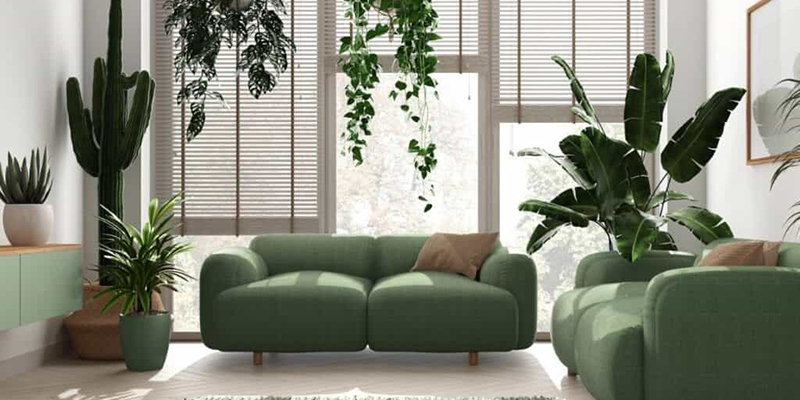
The Foundation: Choosing Raw Materials For A Biophilic Home
The first step in any biophilic home project is looking at what your floors and walls are made of. If you are surrounded by plastic, laminate, and synthetic fibers, your brain knows it's in an artificial environment. To fix this, prioritize materials with tactile variety—things that feel like they came from the earth.
Make Texture A Priority With Wood And Stone
When picking out wood, go for pieces where you can actually see and feel the grain. Reclaimed wood is a fantastic choice because the knots and imperfections tell a story. If you are choosing between a high-gloss finish and a matte, natural oil finish, go with the matte. It keeps the wood breathable and feels warmer to the touch.
For stone, don't just stick to flat grey tiles. Look for slate, travertine, or even river rocks for the bathroom floor. The slight unevenness of natural stone feels interesting under your feet, unlike the flatness of ceramic tiles.
Budget-Friendly Material Swaps
If you are on a budget, you don't have to rip out your floors. You can achieve a similar effect by swapping out your coffee table for a live-edge wood slab or replacing plastic picture frames with bamboo or oak frames. Even replacing plastic light switches with brass or wooden toggles adds a layer of natural luxury. The goal is to ensure that wherever your hand or foot lands, it lands on a natural texture.
Maximizing Natural Light And Views In Your Biophilic House
A true biophilic house lives and dies by its relationship with the sun. We often block our best natural assets with heavy curtains or cluttered windowsills. To really embrace this trend, treat your windows like living paintings.
Framing Your Windows As Living Art
Start by clearing everything away from your glass. If privacy is an issue, skip the thick drapes and opt for linen sheers or top-down, bottom-up cellular shades. These allow you to cover the bottom half of the window for privacy while letting the tree canopy and sky remain visible at the top.
If you have a view of a garden or even just a single tree, frame it. Arrange your seating so that the sofa or your favorite reading chair faces the window rather than the TV. This simple shift encourages passive observation of the outdoors, which is a key pillar of biophilia.
Using Mirrors To Double Your Daylight
For those living in darker spaces, mirrors are your best friend. Place a large floor mirror directly opposite a window. It won't just make the room look bigger; it will literally double the amount of natural light and sunlight bouncing around. If you have a balcony or a small patio, place plants just outside the glass so the mirror reflects the greenery into the room. It's a simple trick that makes a basement apartment feel like a sun-drenched loft.
Light is the energy of the home, but to make it feel like a forest, we need to bring in actual life.
Living Walls And Indoor Jungles: Bringing The Forest To Your Living Room
When people think of biophilic home design, they usually picture a massive living wall. While those are stunning, they can be expensive and hard to maintain. The good news is that you can get the same psychological boost with a more strategic approach to plants.
Low-Maintenance Green Wall Alternatives
If you want that green wall look without the $5,000 price tag, try a modular pocket system or a simple grid of floating shelves. Fill them with trailers like Pothos or Heartleaf Philodendron. Within a few months, these plants will grow downward, creating a curtain of green that covers the wall. This creates a vertical landscape that draws the eye upward, making your ceilings feel higher, and your air feel fresher.
Selecting The Right Statement Plants For Your Light
For a more modern look, focus on statement plants. Instead of ten small pots scattered around, buy one large Fiddle Leaf Fig or a tall Bird of Paradise. These larger plants create a canopy effect that makes you feel like you're sitting under a tree.
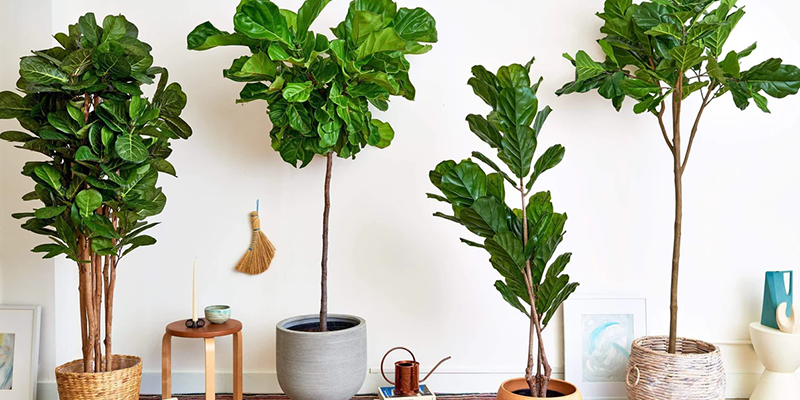
Pro Tip for Selection: Always match your plant to your light, not your aesthetic.
- Low Light: Snake Plants, ZZ Plants, or Cast Iron Plants. These are nearly impossible to kill and thrive in corners.
- Bright Indirect Light: Monstera, Ferns, and Palms. These give that classic jungle vibe.
- Direct Sun: Cacti, Succulents, and Bird of Paradise. These love a windowsill that gets baked by the afternoon sun.
Plants do the heavy lifting for your air quality and mood, but your most private retreat needs a specific kind of natural touch to help you sleep.
Creating A Sanctuary: Essential Tips For Biophilic Bedroom Design
Your bedroom is where your body repairs itself, making biophilic bedroom design perhaps the most important part of this whole process. The goal here is soft fascination—creating an environment that holds your attention gently without overstimulating you.
Sensory Textures For Deeper Sleep
Start with your bedding. Get rid of the polyester and move toward 100% organic linen or hemp. These materials have a natural, slightly irregular texture that feels incredible against the skin and regulates temperature better than any synthetic. In a biophilic design bedroom, you want to layer these textures. A chunky wool throw over a linen duvet creates a sensory richness that tells your brain it's time to rest.
The Psychology Of Earth Tones And Nature Views
In a biophilic design bedroom, layout is key. If possible, position your bed so you can see the outdoors when you wake up. If you don't have a window view, hang a high-quality landscape photograph or a botanical print directly across from the bed. Color-wise, look at earth tones, but be specific. Think of the colors of a forest floor: moss green, terracotta, sandy beige, and charcoal grey. These colors are naturally calming because our ancestors associated them with safety and resources.
Since the bedroom should stay cool and fresh, adding a few air-purifying plants, like Peace Lilies or English Ivy, can help remove toxins while you sleep. Just be sure to use clay or ceramic pots rather than plastic to maintain the earthy vibe.
You might be thinking this all sounds great for a big house, but what if you're tight on space? Don't worry, nature fits everywhere.
Small Space Hacks: Biophilia Home Decor For Apartments And Studios
Living in a city apartment doesn't mean you're stuck in a concrete box. You have to be smarter about your biophilia home decor choices. When floor space is a premium, you have to look up and out.
Vertical Gardening And Hanging Greenery
Use ceiling hooks to hang macramé planters at different heights. This fills the dead space in your room's corners with life without taking up a single square inch of floor space. Even if you don't have a yard, a window box filled with herbs or flowers gives you a direct connection to the seasons. Plus, smelling fresh basil or rosemary every time you open the window is an instant mood lifter.
Engaging The Senses With Scents And Stones
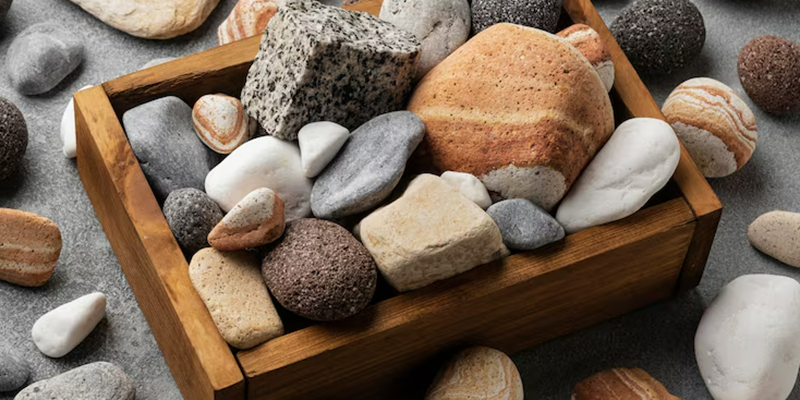
Don't forget the invisible side of nature. Use a stone diffuser with essential oils like cedarwood, sandalwood, or pine. It tricks your brain into thinking you're in a deep forest even if you're in the middle of a noisy city. Another great trick for biophilia home decor is using a small tray of smooth river stones on your desk. Touching them while you work can be a grounding exercise that reduces Stress during a busy day. It's a tactile reminder of the world outside your window.
By focusing on these small details, you can turn a cramped studio into a refreshing retreat. But how do you know which materials are actually worth your money?
The Selection Guide: How To Spot Quality Natural Materials
When you're out shopping, natural-looking is not the same as natural. To get the real benefits of a biophilic home, you need to know what to look for on the labels.
Solid Wood Vs. Synthetic Imitations
Look for Solid Wood or FSC-Certified. Avoid MDF or Particle Board whenever possible, as these are mostly sawdust and glue. If you're buying a veneer, make sure it's a thick, high-quality one that shows the timber's true texture. Real wood has a warmth to it that plastic laminates can't replicate. If it feels cold and sounds hollow when you tap it, it's probably not what you want for a healthy home.
Identifying Authentic Stone And Natural Fibers
Real stone stays cool to the touch and has unique color variations. If every tile looks the same, it's a print, not the real thing. For a biophilic effect, honed or tumbled finishes are better than polished because they feel more like something you'd find in the wild. When it comes to fabrics, check the tags for 100% natural fibers. Wool, silk, linen, and cotton are your best bets. These materials age beautifully and actually develop more character over time, whereas synthetic fabrics look old and pill.
The Senses Test: Before you buy anything, use your senses. Does it have a natural Scent? Does it feel warm or cold? Does the light hit it in a way that shows depth? If it feels flat and plastic, it won't give you that biophilic boost you're looking for.
Start Small: Bring Nature Into Your Home
Turning your home into a biophilic space doesn't need a full remodel. Start with one plant or a few swaps, and you'll notice the difference. Start small. Buy one large plant this weekend, or swap out your plastic blinds for bamboo ones. You'll be surprised by how quickly these changes shift the energy of your home from a place where you exist to one where you truly thrive.

-
Home Improvements
Why So Many Homeowners Are Choosing Farmhouse Sinks
February 4, 2026
-
Home Improvements
Warm Minimalist Home Decor Ideas That Feel Simple But Comfortable
January 10, 2026
-
Home Improvements
How To Fix Cracked Ceramic Or Porcelain Tiles Without Removing Them
January 8, 2026
-
Home Improvements
Upgrade Your Bathroom Faucet For Water Efficiency And Comfort
November 14, 2025
-
Home Improvements
Bringing Nature Inside: Best Bathroom Plants For a Peaceful Space
November 10, 2025
-
Home Improvements
Make Your Towels And Sheets Easy To Find: Practical Linen Closet Tips
November 6, 2025