Author:Arooba
Released:November 6, 2025
A messy linen closet can quietly disrupt your daily routine. Searching through stacks of towels, wrinkled sheets, or misplaced blankets wastes time and adds Stress. A well-organized linen closet, on the other hand, makes storage easy to access, practical, and visually calm, turning a cluttered space into a simple, stress-free area.
The goal isn't just neatness and efficiency. When everything has a place, you can grab what you need quickly, keep items fresh, and maintain a sense of calm every time you open the door.
Why a Well-Organized Linen Closet Makes Daily Life Easier
Most linen closets start out functional but quickly become cluttered. Overstuffed shelves, deep cabinets, and a mix of daily-use and seasonal items make it hard to find what you need. Disorganized storage can even damage fabrics, causing towels and sheets to wrinkle, lose softness, or develop odors.
For households with multiple family members, a messy closet slows down morning routines, especially when people share towels or linens. A well-planned closet isn't just convenient—it saves time, reduces Stress, and keeps your linens in better condition for longer.
Practical tips for everyday use:
Assign a shelf or drawer to each family member so everyone knows precisely where their towels and linens live.
Use color-coded bins, fabric labels, or tags for quick identification. For example, blue for bath towels, green for hand towels, and yellow for guest items.
Rotate towels and linens weekly to ensure even wear and prevent some items from getting overused while others stay forgotten.
Keep a small basket for towels or sheets that need folding or ironing, so clutter doesn't build up.
Store seasonal items (blankets, holiday linens) separately on higher shelves or in vacuum-sealed bags to free up everyday-access space.
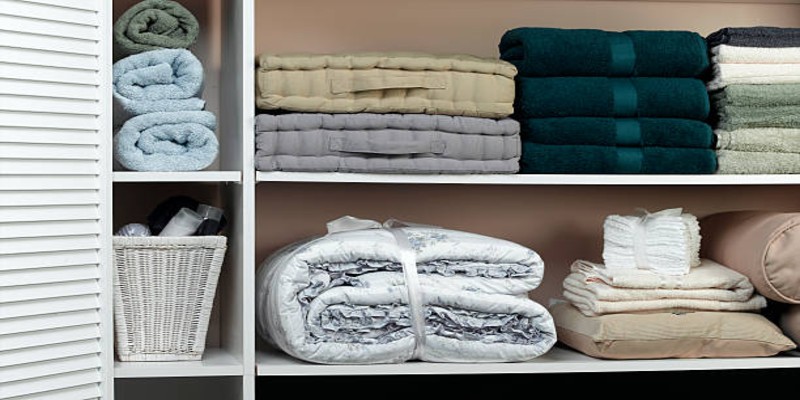
Pull-Out Shelves: Accessibility Made Easy
One of the most effective upgrades for any linen closet is installing pull-out shelves. Unlike fixed shelves, these slide forward so you can see and reach every item without bending, digging, or shifting stacks. This is especially helpful for deep closets or spaces where reaching the back is awkward.
Key benefits:
Reduces strain on your back and shoulders by eliminating awkward reaching or lifting.
Keeps stacks neat since items don’t shift when you pull shelves out.
Works for small closets and intense ones alike.
Recommended options:
Rev-A-Shelf Pull-Out Linen Cabinet: $120–$250, sturdy metal tracks, smooth glide
Elfa Pull-Out Shelving (The Container Store): $200–$400, customizable widths, easy to install
Extra tips:
Opt for soft-close tracks to prevent slamming and shifting items.
Add small dividers to separate towels, washcloths, sheets, or pillowcases for even easier access.
In very deep closets, consider two-tier pull-out shelves—the lower level can hold daily items, and the upper level can store backups or seasonal linens.
Label pull-out shelves or bins so everyone knows where items go, making it easier for kids or guests to grab what they need.
Organizing Towels and Linens
Towels are the busiest items in any closet, so a simple folding and stacking system goes a long way. Keeping things consistent makes grabbing what you need faster and keeps the closet looking tidy.
Folding and storage tips:
Stack towels by size or usage (bath towels, hand towels, washcloths) and rotate older items to the front.
Keep stacks at eye level for quick access; avoid stacking too high to prevent toppling.
Rolling towels can create a neat, visually appealing display for guest bathrooms or open shelves.
Group items by color or pattern to make the space visually appealing and intentional.
Use drawer dividers, bins, or small trays to keep washcloths and other small items from getting buried.
For sheets and pillowcases, clear bins or labeled fabric boxes prevent confusion and make everything easy to grab. Folding fitted sheets with pillowcases inside can save space and keep stacks neat. For extra accessibility, store sheet sets with seasonal or guest linens separately, and keep the ones you use most often at the front.
Practical Storage Solutions and Comparisons
Not all storage solutions are created equal. Here’s a guide for the best types of linen storage:
Wire or metal shelving: Affordable ($50–$150), good airflow, but towels may slip or wrinkle
Wooden or MDF adjustable shelves: Mid-range ($150–$400), visually appealing and sturdy, but less flexible in narrow closets
Pull-out drawers or baskets: $120–$400, depending on brand and size; ideal for keeping stacks intact and improving visibility
Brands to consider:
The Container Store Elfa System: High flexibility, durable, $200–$600 depending on size
Rev-A-Shelf Pull-Out Units: Great for deep or corner closets, $120–$250
IKEA KOMPLEMENT Drawers: Budget-friendly, $60–$150, works well for smaller closets
Decision tips:
Measure closet depth carefully before buying
Choose open vs. hidden storage based on whether you want everything visible or prefer a minimalist look
For deep shelves, pull-out units reduce bending and improve accessibility
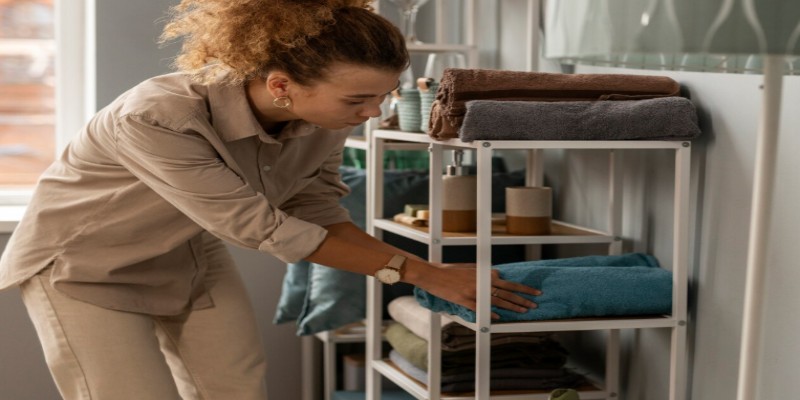
Smart Fabric Care
Proper storage is just as necessary as washing when it comes to keeping linens in good condition. Breathable shelf liners or fabric pads help maintain airflow, preventing musty smells and damp spots. Avoid plastic bags for long-term storage, as trapped moisture can lead to mildew or fabric damage. Adding a small scented sachet or lavender bag keeps towels smelling fresh without affecting texture.
Tips:
Rotate seasonal blankets or quilts periodically to prevent pressure marks and uneven wear from prolonged sitting in one spot.
Store bulky items like comforters or extra blankets in vacuum-seal bags or dedicated bins to free up shelf space.
Fold sheets and towels slightly damp from ironing or fluffing; this reduces wrinkles and makes them easier to stack neatly.
Air out linens occasionally, especially if stored for months, to prevent stale odors.
Keep heavier items on lower shelves to avoid crushing lighter fabrics.
Zones for Better Flow
Dividing your linen closet into clear zones makes it easy for everyone in the household to know where things belong. Typical zones include:
Daily-use towels for easy access
Guest linens are kept separate for special occasions
Seasonal blankets or quilts are rotated as needed
Backup bedding is stored neatly for emergencies
When every item has a designated space, maintaining order becomes effortless. This approach saves time, reduces Stress, and prevents clutter from creeping back in.
Tips for zoning:
Use labels or color-coded bins so items are instantly recognizable.
Keep frequently used items at eye level; less-used or seasonal items can go on higher shelves.
Small baskets or trays can hold accessories like laundry bags, fabric sprays, or stain removers, keeping them contained and easy to grab.
Maintaining Your Linen Closet Over Time
A functional linen closet requires ongoing, small habits rather than major overhauls. Even spending 5–10 minutes weekly can keep it organized and accessible.
Maintenance habits:
Refold and replace towels and sheets after use to prevent piles from building up.
Go through seasonal or rarely used items periodically, removing anything worn out or unnecessary.
Restock essentials thoughtfully, avoiding overfilling shelves or bins.
Keep an eye out for signs of moisture, mildew, or odors to protect fabrics.
Practical hacks:
Use a small step stool to reach high shelves without disturbing stacks safely.
Keep a basket for items that need to be moved to other rooms to prevent clutter.
Adjust stacking methods if some shelves are hard to reach or if fabrics tend to slump.
With consistent care, a linen closet can stay tidy, functional, and easy to navigate, keeping your towels, sheets, and blankets in top condition while making daily routines smoother and less stressful.
Creating a Functional and Relaxing Linen Closet
A well-organized linen closet can make daily routines feel smoother and less stressful. When everything has its place and is easy to reach, finding towels or bedding becomes quick and effortless. Pull-out shelves, clear storage zones, and simple folding habits keep things neat without extra work.
Taking care of your fabrics, like making sure everything is clean and completely dry before storing, also helps them last longer. Over time, these small habits prevent clutter, keep air circulating, and turn your linen closet into a calm, tidy space that's practical and easy to maintain.





-
Home Improvements
Why So Many Homeowners Are Choosing Farmhouse Sinks
February 4, 2026
-
Home Improvements
Biophilic Home Design: How To Bring Nature Into Your Living Space
January 10, 2026
-
Home Improvements
How To Fix Cracked Concrete Floors In Your Garage: Step-By-Step Instructions
December 30, 2025
-
Home Improvements
Garage Conversion Cost Breakdown: Budget-Friendly Ideas And Contractor Advice
December 29, 2025
-
Home Improvements
How To Use Natural Stone To Create a Calm Bathroom
November 25, 2025
-
Home Improvements
Minimalist Mirrors With Integrated Lighting For Calm Reflections
November 11, 2025