Author:Arooba
Released:October 30, 2025
Old bathroom tiles lose their appeal over time, developing stains, discoloration, and worn finishes that resist even thorough cleaning. Many homeowners assume replacement is the only solution, but tile refinishing offers a practical alternative that preserves existing surfaces while delivering a refreshed appearance at a fraction of the cost.
Professional refinishing involves deep cleaning, surface preparation, bonding primers, and durable topcoats designed for high-moisture environments. When executed correctly, this process extends tile life by 10-15 years and eliminates the disruption of complete replacement projects.
How To Select Tiles For Refinishing Porcelain
Versus Ceramic Performance
Porcelain tiles respond best to refinishing due to their dense, low-porosity composition.
The tight surface allows bonding primers to adhere effectively, creating a stable foundation for topcoats. Porcelain also accepts color changes more reliably than other materials, making it ideal for homeowners looking to update outdated hues.
Ceramic tiles can be refinished but often require additional mechanical abrasion and chemical etching to achieve reliable adhesion. In moisture-heavy areas such as showers, tub surrounds, and bathroom floors, porcelain generally delivers better long-term durability and resistance to peeling or wear.
Pre-Refinishing Tile Inspection: What Should Be Checked Before You Proceed
Before committing to refinishing, a detailed inspection determines whether the surface is a suitable candidate or requires repairs first.
1. Checking tile stability.
Press on individual tiles to identify movement, hollow sounds, or loose bonding. Any tile that shifts under pressure must be resecured before refinishing. Refinishing does not correct adhesion failures beneath the surface.
2. Examine cracks and chips.
Hairline surface cracks and light edge wear are typically acceptable and can be filled during preparation. However, deep structural cracks that extend through the tile or repeat across multiple tiles often signal substrate movement or water damage that refinishing alone cannot resolve.
3. Inspect grout lines closely.
Crumbling, missing, or deeply recessed grout allows moisture to penetrate behind the tile. These areas must be repaired and sealed before refinishing to prevent premature coating failure.
4. Assess moisture exposure.
Persistent mold, dark staining around corners, or soft drywall near tile edges may indicate ongoing water intrusion. Refinishing should proceed only after leaks, ventilation issues, or plumbing problems are corrected.
A professional inspection at this stage prevents adhesion issues, peeling, or bubbling later, ensuring the refinished surface performs as intended.
Professional Resurfacing Methods That Deliver Results
The Multi-Step Application Process
Refinishing differs fundamentally from painting tile. Paint-only applications fail within months due to poor adhesion and moisture penetration. Professional methods follow a multi-step process that addresses these weaknesses.
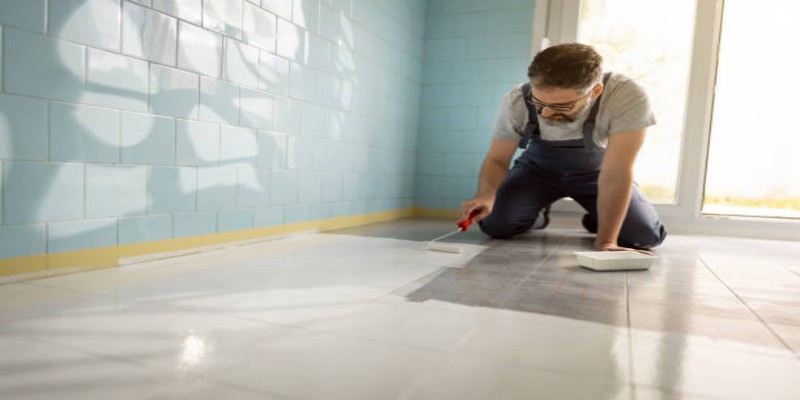
The surface is degreased industrially to remove soap residue, body oils, and cleaning product buildup. Etching or mechanical abrasion follows, creating microscopic texture that allows primers to bond. Commercial-grade bonding primers designed for bathroom environments come next, followed by two or more coats of moisture-resistant topcoat.
Advanced Coating Technologies
Modern refinishing systems incorporate antimicrobial additives that resist mold and mildew growth. UV-resistant formulations prevent yellowing in bathrooms with natural light exposure. These technical improvements separate current refinishing from older methods that degraded quickly.
Professional equipment controls application temperature and humidity during curing, variables that directly affect finish durability. These conditions cannot be reliably managed in DIY applications.
Grout Restoration As Part Of Complete Refinishing
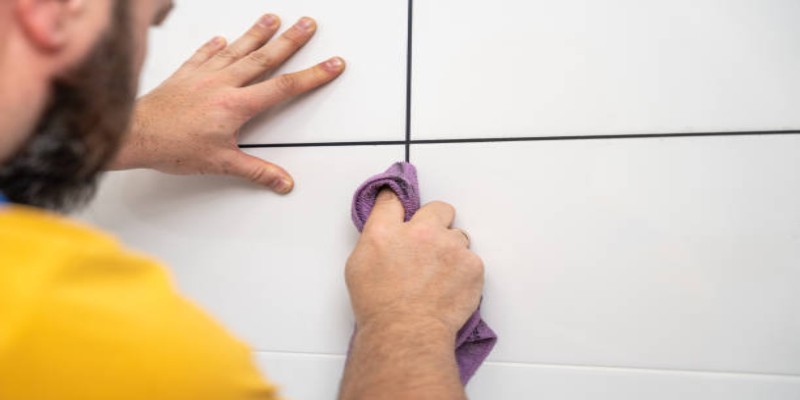
Refinished tile with deteriorated grout creates a visual inconsistency that undermines the entire project. Grout requires simultaneous attention during tile refinishing to achieve cohesive results.
Professional refinishing includes grout evaluation and restoration. Cracked or missing grout receives repair with color-matched materials. Discolored grout undergoes recoloring to complement the refinished tile. Sealing protects renewed grout from moisture penetration and staining.
Matching grout tone to tile color creates visual continuity across the surface. This technique, common in high-end bathroom design, makes spaces appear larger and more unified. Fresh grout also improves hygiene by reducing the number of porous areas where mold and bacteria can accumulate.
How To Find Professional Tile Refinishing Services
Where to look:
1. Search by service type and location
Use search engines or map apps with keywords like:
“bathroom tile refinishing near me”
“tub and tile resurfacing + [your city]”
“porcelain tile reglazing contractor + [your city]”
2. Use trusted home-service marketplaces
Platforms like Angi (formerly Angie’s List), HomeAdvisor, or Thumbtack allow you to:
Check user ratings and reviews
View project photos
Compare service coverage and price ranges
3. Check manufacturer-approved contractors
Some professional coatings (e.g., MAPEI, Rust-Oleum) list certified applicators. Visit the brand website and look for “Authorized Contractor” or “Certified Applicator” directories.
4. Narrow down candidates
Confirm that they use a multi-step refinishing system with primer, topcoat, and proper surface prep, not just regular paint
Ensure the service includes grout repair, color-matching, and sealing if needed
Contact 2–3 providers for initial quotes and compare price per square foot, materials, and project timeline
5. Schedule an on-site estimate
Arrange a professional visit to assess tile condition, check for cracks, looseness, or moisture issues. An on-site estimate is more accurate than a phone quote and helps evaluate the contractor’s expertise.
Typical costs: In most U.S. markets, professional tile refinishing costs $6–$12 per square foot, depending on tile condition, surface area, color changes, and whether grout restoration is included. Standard tub surrounds, or shower enclosures, usually range from $900 to $2,500, significantly less than the cost of a complete replacement.
Maintenance Practices That Extend Refinished Surface Life
Cleaning Products That Protect The Finish
Refinished tile requires specific maintenance to preserve the finish. Harsh chemicals, particularly those containing ammonia or bleach, break down protective topcoats over time. Neutral pH cleaners designed for sealed surfaces maintain the finish without causing degradation.
Abrasive tools damage refinished surfaces. Soft-bristle brushes and non-scratch pads clean effectively without compromising the topcoat.
Preventive Measures For Long-Term Durability
For floors, felt pads under furniture legs prevent scratches from repeated movement. Weekly cleaning prevents buildup that requires aggressive scrubbing. Prompt attention to spills, especially those containing acids or dyes, protects against staining. MAPEI and other commercial refinishing manufacturers provide maintenance guidelines specific to their products, including recommended cleaning solutions and techniques.
Safety Features In Modern Refinishing Systems
Modern refinishing systems incorporate anti-slip additives into topcoats, creating texture that improves traction when wet. This feature provides essential safety in households with children, elderly residents, or mobility concerns.
Matte and satin finishes naturally offer more slip resistance than high-gloss options while maintaining visual appeal. For shower floors and bathtub surrounds, anti-slip formulations address safety without compromising the smooth aesthetic many homeowners prefer.
Refinishing also offers an opportunity to address slippery tile installations from previous decades, when safety standards differed from current expectations. Adding texture during refinishing improves safety in older bathrooms without requiring new tile installation.
When Professional Application Justifies The Investment
DIY refinishing kits exist but deliver inconsistent results, particularly in high-moisture bathroom environments. Professional refinishers use commercial-grade materials unavailable in retail stores and control environmental conditions during application and curing.
Certified professionals assess substrate condition, identify potential adhesion problems, and adjust methods accordingly. They also complete projects in 1-2 days with minimal bathroom downtime, compared to multi-day DIY attempts that may require repeated applications or corrections.
For homeowners who treat refinishing as a long-term investment rather than a temporary fix, a professional application provides measurable value through extended durability and finish quality. The cost difference between DIY and professional work diminishes when factoring in material waste, time investment, and the likelihood of needing redo work.
Refinishing As Part Of Practical Bathroom Updates
Tile refinishing addresses visual and functional concerns in bathrooms with sound underlying structures. When tiles show surface wear but remain structurally intact, refinishing delivers significant improvement without the cost and disruption of replacement.
The process works particularly well in rental properties, pre-sale home improvements, and budget-conscious renovations where replacing functional materials wastes resources. Refinishing also accommodates design updates, allowing homeowners to change color schemes and finishes to match current preferences without demolition.
Combined with updated fixtures, lighting, and accessories, refinished tile contributes to comprehensive bathroom improvements that respect existing infrastructure while achieving contemporary aesthetics.


-
Home Improvements
Jewel Tone Interior Design: Rich Color Ideas For A Bold Home
January 19, 2026
-
Home Improvements
How To Fix Cracked Ceramic Or Porcelain Tiles Without Removing Them
January 8, 2026
-
Home Improvements
How To Fix Cracked Concrete Floors In Your Garage: Step-By-Step Instructions
December 30, 2025
-
Home Improvements
Mold Prevention Strategies For Lasting Bathroom Peace
November 22, 2025
-
Home Improvements
A Step Toward Relaxation: Converting To a Japanese Ofuro
November 19, 2025
-
Home Improvements
LED Lighting Upgrades For Mood-Enhancing Bathroom Ambiance
November 17, 2025