Author:Andy
Released:December 29, 2025
A professional garage conversion is the fastest, most cost-effective way to add massive value to your property and finally get the extra room you've been dreaming of. Instead of the headache of a full home addition, you can transform that cold concrete floor into a vibrant, climate-controlled living space.
Let's explore how you can unlock this potential, manage your budget, and find the right team to bring your vision to life!
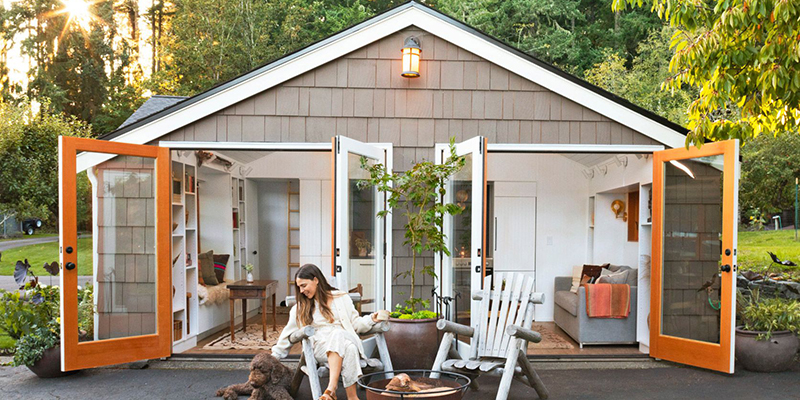
Why A Garage Conversion Is The Smartest Move For Your Home
If you are looking for more space, you usually have two choices: move to a bigger house or build an extension. Both are incredibly expensive and stressful. This is why the garage conversion has become the secret weapon for savvy homeowners. You already have the foundation, the walls, and the roof. You are essentially just filling in the blanks.
Instant Boost In Property Value
Converting a garage into a livable room can offer a significant return on investment. According to the Remodeling Magazine Cost vs. Value Report, adding high-quality living space is one of the most reliable ways to increase your home's appraisal value. In many markets, adding a bedroom or a functional Accessory Dwelling Unit (ADU) can increase your asking price by tens of thousands of dollars.
Speed Of Completion
A traditional home addition can take six months or more and involves digging up your yard. A conversion, however, usually happens within the existing footprint. This means less mess, fewer structural surprises, and a much faster timeline. You could go from a dusty storage area to a luxury suite in as little as 4 to 8 weeks.
Better Use Of Space
Let's be honest: do you actually park your car in the garage, or is it just a graveyard for things you don't use? By reclaiming this 200 to 400 square feet, you are maximizing the utility of the land you already pay for every month.
Top Garage Conversion Ideas: From Guest Suites To Home Gyms
The beauty of a garage is that it is a blank slate. Because it is usually separated from the main living areas, it offers a level of privacy that a standard room addition cannot match.
1. The Ultimate Guest Suite Or ADU
This is the most popular choice for a reason. By adding a small bathroom and a kitchenette, you turn your garage into a fully functional studio apartment.
- The Benefit: You can host family members for long stays without feeling crowded.
- The Income Factor: In many cities, you can rent this space out on platforms like Airbnb or to a long-term tenant, essentially letting the garage pay for your mortgage.
2. The High-Performance Home Office
With more people working remotely, a quiet, professional workspace is a necessity. A garage is perfect because it provides a physical boundary between home and work.
- Pro Tip: Ensure you plan for plenty of electrical outlets and high-speed internet wiring during the early stages of construction.
3. The Personal Fitness Studio
Stop paying for gym memberships and wasting time in traffic. A garage has the high ceilings and sturdy floors needed for heavy weights, Yoga setups, or even a sauna.
- Design Idea: Use large mirrors on one wall to make the space feel twice as big and install rubberized flooring for joint protection.
4. The Man Cave Or She-Shed Entertainment Hub
Imagine a soundproofed room with a massive screen, a wet bar, and comfortable seating. Since garages are often tucked away, you can crank up the volume on your favorite movies without waking up the rest of the house.

While these ideas are exciting, the first question everyone asks is: How much is this going to cost me?
The Garage Conversion Cost: What To Expect
Budgeting is where most projects succeed or fail. The cost of a garage conversion can vary widely depending on your location and the complexity of the build. On average, you can expect to spend anywhere from $20,000 to $75,000.
Basic Vs. Luxury Conversions: a Quick Comparison
| Feature | Basic Conversion ($20k - $30k) | Luxury/ADU Conversion ($50k - $75k+) |
| Flooring | Laminate or Vinyl Plank | Hardwood or Polished Concrete |
| Walls | Drywall and Paint | Custom Built-ins and Soundproofing |
| Climate | Space Heater/Window AC | Full HVAC Ductwork or Mini-Split |
| Plumbing | None | Full Bathroom and Kitchenette |
| Lighting | Standard Recessed Lights | Custom Fixtures and Smart Lighting |
Major Cost Drivers
- Plumbing: This is the highest hidden cost. If you want a bathroom, your garage conversion contractor will need to dig into the concrete slab to connect to your home's main sewer line. This alone can add $5,000 to $10,000.
- Electrical Upgrades: Most garages only have one or two outlets. A living space requires a full circuit, which might mean upgrading your home's main electrical panel.
- Insulation and HVAC: Garages are notoriously poorly insulated. To make it a comfortable room, you need high-quality insulation in the walls and ceiling, plus a way to heat and cool the space.
Pro Tips To Control Your Budget Without Sacrificing Quality
You don't need to spend a fortune to get a premium result. Here are some insider tricks to keep your garage conversion costs low while maintaining the wow factor.
Keep The Plumbing Close
If you are adding a bathroom, try to place it on the wall closest to the main house. The shorter the distance the pipes have to travel, the less you will pay in labor and materials.
Choose A Mini-Split System
Instead of trying to extend your home's existing HVAC ducts (which often requires a larger, more expensive furnace), install a ductless mini-split system. They are incredibly energy-efficient, provide both heating and cooling, and let you control the garage's temperature independently.
Focus On Lighting
A garage can feel like a cave if you aren't careful. Use a mix of layers—recessed cans for general light, pendant lights for style, and perhaps a skylight or a large window to bring in natural light. Good lighting makes cheap materials look expensive.
DIY The Finishing Touches
Let your garage conversion contractor handle the structural work, permits, and electrical. You can save thousands by doing the painting, installing the baseboards, or laying down click-lock flooring yourself.
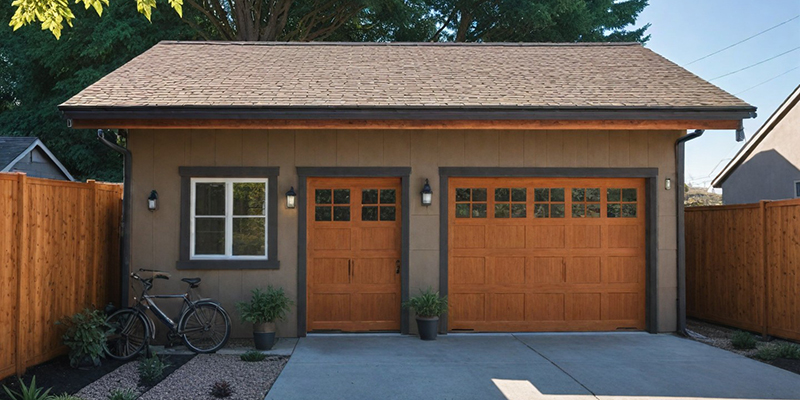
Even with a perfect plan, the person you hire to do the work is the most important variable. Here is how to find the best pro for the job.
How To Choose A Top-Tier Garage Conversion Contractor
This isn't a job for a general handyman. A garage conversion involves structural integrity, moisture barriers, and strict building codes. You need a specialist.
Specialized Experience Matters
When interviewing a garage conversion contractor, ask to see a portfolio of specifically garage projects. Converting a garage is different from remodeling a kitchen. They need to understand how to deal with uninsulated slabs, garage door headers, and specific zoning laws.
The Three Quote Rule
Never hire the first person who walks through the door. Get at least three detailed bids. If one bid is significantly lower than the others, it's a red flag—they might be cutting corners or planning to hit you with extra charges later.
Check Their Reputation
Before signing anything, check the Better Business Bureau (BBB) to see if there are any unresolved complaints. A reputable contractor will also be happy to provide references from past clients. Call those clients! Ask if the project stayed on budget and if the contractor was easy to communicate with.
Questions To Ask Before You Hire:
- Are you licensed and insured in this specific county?
- Will you be handling the permit process with the city?
- How will you handle the transition between the garage floor and the house floor?
- What is your estimated timeline from demo to final inspection?
A great contractor won't just build what you ask for; they will offer suggestions to make the space better and more efficient.
Navigating Permits And Legal Requirements
One of the biggest mistakes homeowners make is attempting a bootleg conversion without permits. This is a recipe for disaster. If you ever try to sell your home, an unpermitted conversion can kill the deal. Even worse, your insurance might not cover any damages that occur in that space.
Building Codes And Safety
The International Code Council (ICC) sets standards that most local building departments follow. These codes ensure that the room is safe to live in. For example, most codes require:
- Egress: A window or door large enough for an emergency exit.
- Ceiling Height: Usually a minimum of 7.5 feet.
- Fire Safety: Proper fire-rated drywall between the conversion and the rest of the house.
Your contractor should handle all of this, but as the homeowner, you should verify that the city signs off on the final inspections. This protects your investment and your family.
Start Your Transformation Today
Your garage is more than just a place to park; it's an opportunity to create the lifestyle you've always wanted. Don't let that valuable square footage go to waste for another year. Reach out to a qualified garage conversion contractor today for a consultation. Take the first step toward the home of your dreams—get your quotes, set your budget, and watch your junk room turn into your favorite room in the house!






-
Home Improvements
Why So Many Homeowners Are Choosing Farmhouse Sinks
February 4, 2026
-
Home Improvements
What Your Kitchen Handles Say About Your Style - and How to Get It Right
January 21, 2026
-
Home Improvements
How To Fix Cracked Ceramic Or Porcelain Tiles Without Removing Them
January 8, 2026
-
Home Improvements
High Energy Efficient Windows: How To Select The Right Windows For Your Home
December 30, 2025
-
Home Improvements
A Step Toward Relaxation: Converting To a Japanese Ofuro
November 19, 2025
-
Home Improvements
Luxury Towel Sets And Folding Techniques For Hotel-Style Display
November 11, 2025