Author:Andy
Released:December 30, 2025
You are likely losing hundreds of dollars each year due to invisible leaks in your home's envelope. While most people focus on upgrading their HVAC systems or adding attic insulation, the real culprit behind those spiking utility bills often sits right in your walls. You are missing out on a major comfort upgrade if you haven't explored the latest glass technology.
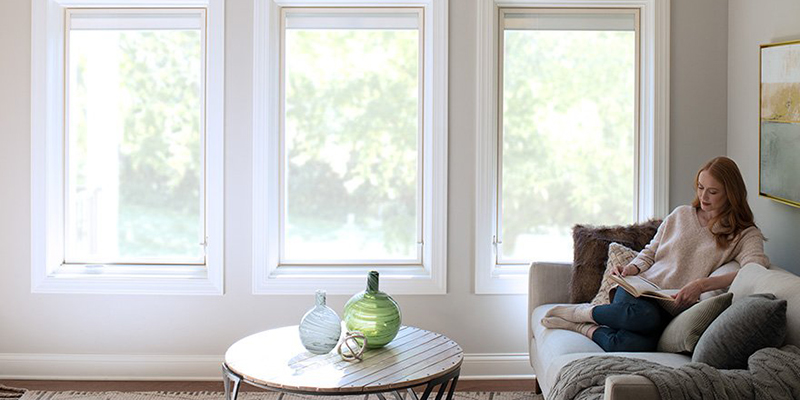
Modern, high-energy-efficient windows do more than block a breeze; they act as a thermal shield, reflecting heat to its source and keeping your living room at a steady temperature regardless of the storm outside. Upgrading isn't just a renovation—it's a way to silence street noise and slash your monthly overhead at the same time.
The Science Of Low-E Glass And Thermal Barriers
When you start shopping for a new energy-efficient window, you will encounter the term Low-E. This stands for low-emissivity, and it is perhaps the most significant advancement in glass technology in the last fifty years.
How Low-E Glass Works For You
Low-e glass features a microscopically thin, transparent coating of silver or other low-emissivity materials. This coating is thinner than a human hair and is applied to the internal surfaces of the glass panes. Its job is to reflect long-wave infrared energy (heat). In the summer, it reflects the sun's heat away from your house, keeping the interior cool. In winter, it reflects the heat from your furnace back into the room rather than letting it escape through the glass.
The Role Of Argon Gas In Window Units
Standard double-pane windows are filled with plain air, which can still circulate and transfer heat. To combat this, the most energy-efficient windows use a gas denser than air between the panes. Using argon gas in window construction provides a much higher level of insulation. Because argon is heavier and moves more slowly than oxygen, it creates a stagnant layer that significantly slows heat transfer between the panes. Some high-end models even use krypton gas, which is even denser, though argon remains the industry standard for its balance of performance and cost.
Choosing The Best Energy Efficient Windows For Your Climate
Not every energy-efficient window is built for every environment. A window that works perfectly in a snowy mountain cabin might be a poor choice for a sun-drenched coastal home. You need to look at specific performance ratings to find the right fit.
U-Factor: The Insulation Metric
The U-factor measures how well a window resists heat transfer. The lower the number, the better the window is at keeping heat inside. If you live in a cold northern climate, finding a window with a low U-factor is your top priority. Look for ratings between 0.20 and 0.30 for the highest performance.
Solar Heat Gain Coefficient (SHGC)
This rating tells you how much solar radiation passes through the glass.
- For Hot Climates: You want a low SHGC (below 0.25) to block the sun's burning rays and keep your cooling costs down.
- For cold climates, a higher SHGC can actually be beneficial. It allows passive solar heating, where the sun helps warm your home during the day for free.
Visible Transmittance (VT)
While you want to block heat, you likely still want plenty of natural light. VT measures how much light comes through. The goal is to find a window with a low SHGC but a high VT, meaning it blocks heat while staying clear and bright rather than looking like a dark-tinted car window.
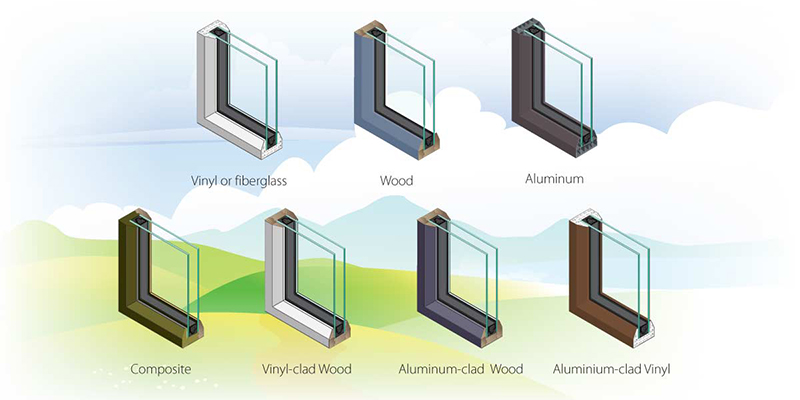
Comparing Frame Materials: Vinyl Vs. Wood Vs. Composite
The glass gets all the attention, but the frame is what holds the unit together and prevents air leakage. The material you choose dictates the maintenance level and the overall lifespan of your energy-efficient window replacement.
Energy Efficient Vinyl Windows
Vinyl is the most popular choice for a reason. Energy-efficient vinyl windows are made from PVC with internal chambers that trap air, providing excellent insulation. They are virtually maintenance-free—no painting or staining required—and they don't rot or corrode. When looking at vinyl, ensure the corners are fusion-welded rather than screwed together, as this prevents air gaps from forming over time.
Wood And Clad-Wood Frames
Wood offers the best natural insulation properties. It doesn't conduct heat or cold easily. However, wood requires a lot of upkeep. Many homeowners opt for clad windows, which feature a beautiful wood interior and a durable aluminum or vinyl exterior shell to protect against the elements.
Fiberglass And Composites
Fiberglass frames are incredibly strong and have very low thermal expansion. This means they don't shrink or grow much when the temperature changes, which keeps the seals tight for decades. They can be painted to match your home's aesthetic, making them a versatile, albeit more expensive, option.
Understanding Energy-Efficient Window Replacement Costs
Budgeting for this project requires looking past the initial sticker price and considering the long-term savings. The cost of energy-efficient windows can vary widely based on the number of panes and the frame material.
- Standard Double-Pane Vinyl: Typically ranges from $450 to $700 per window, installed.
- High-End Triple-Pane Fiberglass: Can range from $900 to $1,500 per window.
- Full-Frame vs. Insert Replacement: An insert replacement (where the new window fits into the existing frame) is cheaper but doesn't allow you to inspect the wall for rot. A full-frame replacement costs more in labor but ensures the entire opening is properly sealed and insulated.
While the upfront investment is significant, the best energy-efficient windows can reduce your energy bills by 12% to 30%, depending on what they are replacing. Over a decade, that adds up to thousands of dollars in savings, not to mention the increased resale value of your home.
Installation Pitfalls To Avoid
Even the most energy-efficient windows will fail if they aren't installed correctly. A common mistake is relying solely on expanding foam to fill gaps. If the foam isn't low-expansion, it can actually bow the window frame, making the sash difficult to open and breaking the airtight seal.
The Importance Of Proper Flashing
Water is the enemy of any window installation. Proper flashing and caulking ensure that rain runs off the window and away from the house rather than seeping into the wall studs. If you see condensation between the panes of your new windows, it means the factory seal has failed, but if you see water on the inside of the frame, it's usually an installation or flashing error.
Testing For Air Leaks
Once your windows are in, you can do a simple smoke test. On a windy day, hold a lit incense stick near the edges of the window frame. If the smoke wavers or blows away, you have an air leak that needs to be addressed with additional caulking or weatherstripping.
Maximizing Your ROI With Smart Features
To get the most out of your high-energy-efficient windows, consider adding a few specific upgrades that go beyond just the glass and frames.
- Warm-Edge Spacers: These are the pieces that keep the glass panes apart. Older windows used aluminum spacers, which conduct cold. Look for warm-edge spacers made of foam or composite materials to prevent condensation at the edges of the glass.
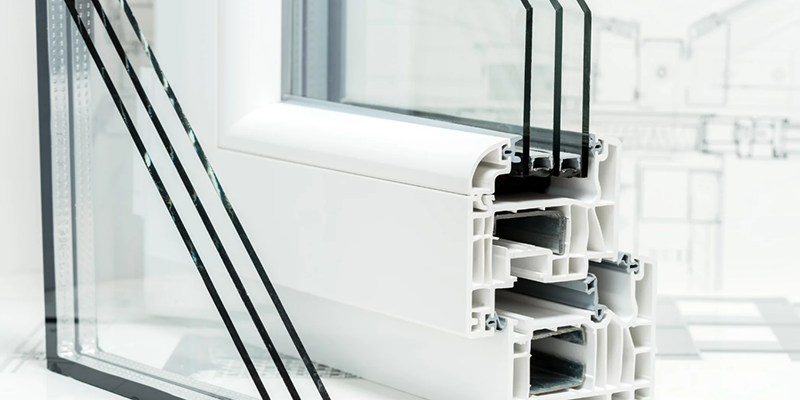
- Triple-Pane Glass: In extremely cold climates, a third pane of glass adds another layer of gas and another low-e glass coating. This is the gold standard for noise reduction and thermal performance.
- Between-the-Glass Blinds: Some manufacturers offer blinds sealed inside the glass unit. This keeps the blinds clean and adds another small layer of air insulation when they are closed.
When you are ready to move forward, always ask for the NFRC (National Fenestration Rating Council) label. This is the only way to verify that the window's performance matches the salesperson's claims. It provides a standardized way to compare brands and models side by side.
Creating A More Comfortable Home Environment
Upgrading to low-e windows changes the way you experience your home. You will no longer feel that chill when walking past a window in the winter, and your air conditioner won't have to work overtime to fight the afternoon sun. By focusing on the U-factor, SHGC, and quality frame materials like vinyl or fiberglass, you turn your home into a high-performance machine. The peace of a well-insulated house, combined with the lower utility bills, makes this one of the few home improvements that truly pays for itself in both comfort and cash.
Final Thoughts On Your Window Upgrade
Choosing the right windows is about balancing your local weather conditions with your long-term budget. By prioritizing features like low-e glass and argon gas in window units, you are making a move that protects your home from the elements and rising energy costs. Once the installation is complete, you will notice the difference immediately, not just in the look of your home, but in the quiet, steady comfort of every room.



-
Home Improvements
How To Use Natural Stone To Create a Calm Bathroom
November 25, 2025
-
Home Improvements
Corner Shelves: Functional Storage For Calm Interiors
November 22, 2025
-
Home Improvements
Floating Shelves For Airy And Meditative Display Areas
November 21, 2025
-
Home Improvements
Roll-Out Drawers For Accessible And Aesthetic Essentials
November 19, 2025
-
Home Improvements
Frameless Glass Shower Enclosures For Open-Concept Upgrade
November 17, 2025
-
Home Improvements
Upgrade Your Bathroom Faucet For Water Efficiency And Comfort
November 14, 2025