Author:Arooba
Released:November 25, 2025
Crave a space that whispers tranquility the moment you step in? Natural stone transforms ordinary bathrooms into peaceful retreats, blending timeless elegance with soothing textures.
Earthy materials ground the senses, turning daily routines into moments of quiet luxury. Subtle veins and warm tones invite relaxation effortlessly. Textures underfoot or against the skin connect subtly to nature.
When choosing stone, consider the hardness rating (Mohs scale) and slip resistance, especially for bathroom floors where safety is crucial.
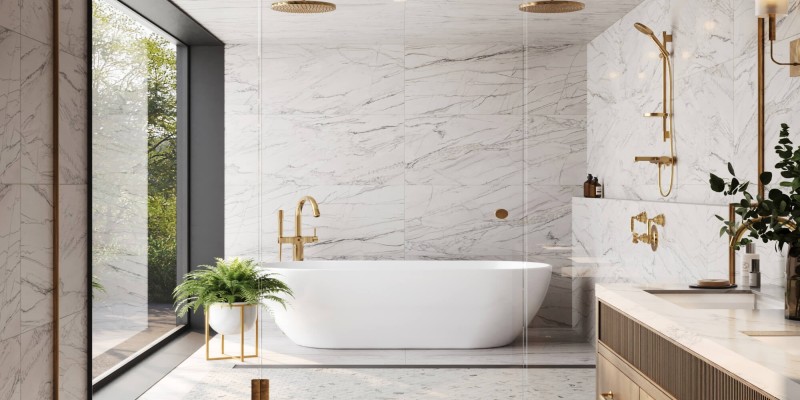
Why Natural Stone Promotes Calm
Stone carries ancient energy, its patterns formed over millennia. Cool surfaces soothe on hot days, while warm tones comfort in cooler seasons. Unlike glossy tiles, matte stones absorb light softly, reducing harsh reflections.
Acoustics improve, too; stone dampens echoes, creating quieter spaces. This natural hush enhances mindfulness during baths or showers. Durability means less worry and more peace over the years.
For smaller bathrooms, lighter-colored stones such as honed marble or limestone can make the space feel larger, while darker stones work well in spacious master baths to create a cozy, spa-like atmosphere.
Choosing the Right Natural Stone
Natural stones vary in mood and durability.
Marble: classic veining in soft whites or grays, airy, calm.
Travertine: rustic warmth with natural pits, Mediterranean vibes.
Slate: matte, grounded textures in deep hues.
Quartzite: mimics marble but resists stains better.
Limestone: softens spaces with creamy shades.
Onyx: translucent qualities, glows beautifully when backlit.
Granite: ideal for high-traffic bathrooms due to its hardness and scratch resistance.
Soapstone: natural chemical resistance, suitable for vanity tops exposed to cosmetics and cleaning products.
Consider porosity:
Seal stones like marble to prevent water marks.
Honed finishes reduce slip and add subtle sheen without glare.
Polished options are ideal for counters, making cleaning easy.
Tile size and layout considerations:
Larger-format tiles minimize grout lines for easier cleaning.
Smaller mosaics or pebbles add texture underfoot and can help with drainage.
Installation and support:
Use high-quality waterproof adhesive and grout suitable for wet areas.
Apply anti-slip treatments on textured floor stones for safety.
Check stone thickness and weight before purchasing; heavier stones may require reinforced subflooring or additional wall support, especially for wall-mounted vanities or accent panels.
Maintenance and long-term cost:
Verify maintenance requirements upfront—limestone and travertine require more frequent sealing, while quartzite and granite offer lower-maintenance options, which influences long-term cost.
Stone on Floors and Walls
Floors set the foundation. Large-format marble tiles create a seamless flow, making small bathrooms feel expansive. Pebble mosaics underfoot mimic riverbeds, gently massaging feet while efficiently draining water.
When installing floor tiles, use a waterproof membrane beneath the stone to prevent moisture damage over time.
For wet areas, ensure a slope of at least 1/4 inch per foot toward the drain to prevent pooling.
High-quality adhesives and epoxy grout are recommended for bathrooms to resist water and staining, especially on textured or porous stones.
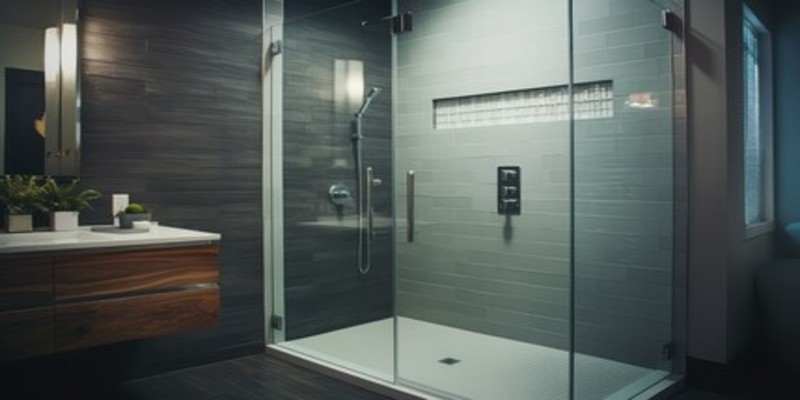
Accent walls steal the show. A complete stone shower surround is enveloped in nature's embrace—mix sizes, subway tiles on walls with hexagons on floors, for quiet interest.
When combining tile shapes or sizes, maintain consistent grout color to avoid visual clutter.
For backlit stones like onyx, ensure LED placement does not overheat the material and is moisture-rated for bathrooms.
Frame mirrors with stone ledges or extend countertops up walls for cohesion. Backsplashes in stacked stone add dimension without chaos. These touches amplify serenity without overwhelming.
Stone ledges should be anchored with stainless steel brackets or proper adhesives rated for heavy materials.
Regularly inspect pebble mosaics or textured stones for loose tiles or grout cracks to maintain safety and aesthetics.
Elevating Bathroom Vanities with Stone
Bathroom vanities anchor the space. Natural stone countertops, think honed granite or quartzite, resist daily wear while glowing softly.
Choose stones with high stain and scratch resistance for high-use areas; quartzite and granite perform well against cosmetics, hair products, and water exposure.
Edge profiles such as eased, beveled, or waterfall edges not only look elegant but also reduce the risk of chipping during daily use.
A floating vanity paired with stone opens the floor visually, enhancing the sense of lightness—wall-mounted designs in wood or matte black contrast beautifully with veined tops. Modern vanity designs often feature slim profiles and integrated sinks for streamlined peace.
Ensure floating vanities are mounted to studs or to reinforced walls capable of supporting the weight of the stone, particularly granite or quartzite slabs.
Carved stone vessel sinks sit atop like sculptures, turning washing into ritual. Undermount sinks keep lines clean for understated elegance. Edge details, such as waterfall sides, extend the stone gracefully.
Seal natural stone sinks and countertops annually, and use cutting boards or trays to protect surfaces from heavy impacts or staining agents.
Brands such as MSI, Marble.com, Caesarstone, and Cambria offer durable options and provide guidance on proper maintenance.
For tight bathrooms, consider thinner stone slabs (1–1.25 inches thick) or engineered quartz to reduce weight while maintaining a luxurious look.
When combining stone with cabinetry, leave a 1/8–1/4 inch expansion gap along walls or appliances to allow for natural stone movement with humidity and temperature changes.
Budget-conscious alternatives include porcelain or ceramic tiles with natural stone textures, costing $10–$30 per sq. ft., compared to $50–$150 for genuine stone.
Creative Bathroom Storage Ideas
Clutter kills calm, so bright bathroom storage ideas matter. Built-in stone niches in showers hold bottles seamlessly, blending function with form.
Floating stone shelves above vanities display rolled towels or plants. Open shelving in alcoves keeps essentials accessible yet tidy.
Ledges behind toilets or beside tubs store extras without cabinets. These recessed options save space in compact baths. Ladder shelves in wood complement stone, adding vertical reach without bulk.
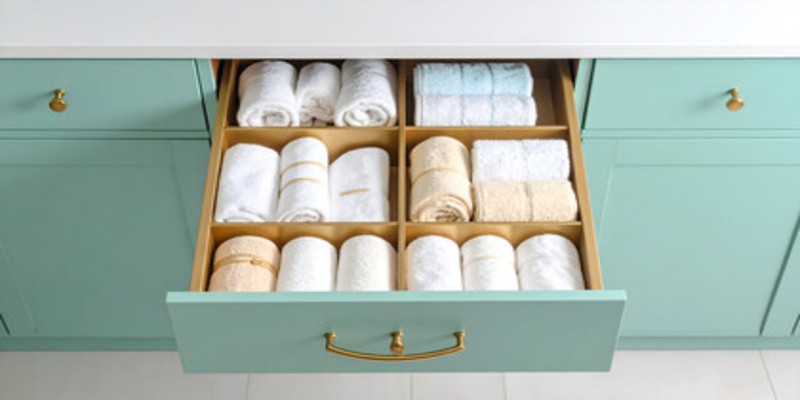
Under-vanity drawers in matching tones discreetly hide necessities.
For budget-conscious renovations, engineered stones or quartz options can replicate natural textures while offering easier maintenance and lower cost, typically $30–$60 per square foot installed.
Crafting a Spa Vanity Setup
The vanity zone deserves special attention for that spa vanity setup. Layer soft lighting, sconces flanking mirrors, and a gentle diffuse glow.
Add stone trays for soaps, candles, and other items to place on surfaces. Greenery like eucalyptus bundles thrives in steam, scenting the air naturally. Essential oils on shelves invite aromatic rituals.
Incorporate wood accents for warmth against cool stone. A plush stool invites lingering. Mirrors with defoggers ensure clarity post-shower.
Lighting placement is key: use waterproof LED strips or recessed fixtures to highlight stone veining without creating glare, and ensure easy access for cleaning to prevent mineral buildup.
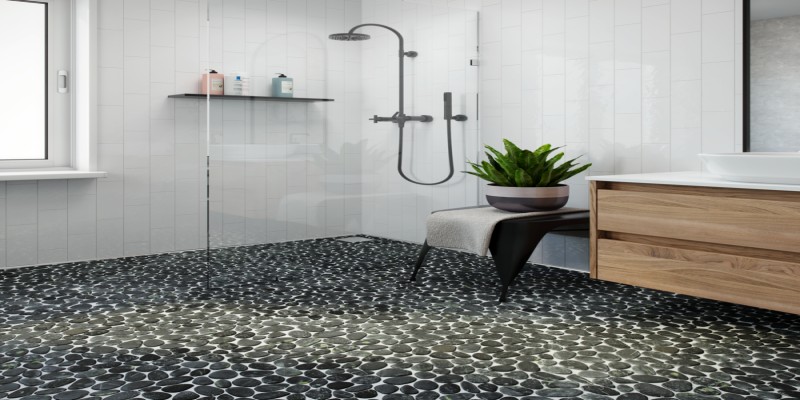
Enhancing with Lighting and Accessories
Lighting shapes mood profoundly. Dimmable LEDs behind mirrors cast even, flattering light. Pendant lights in brushed metals dangle softly over tubs.
Recessed ceiling spots highlight stone textures without shadows. Candle niches in walls offer flickering warmth for evening soaks.
Accessories like woven baskets or ceramic jars can subtly organize. Towel warmers add cozy luxury against the stone's chill.
Consider combining stone with complementary materials, such as warm wood cabinets, matte metal fixtures, or soft textiles, to balance the stone's cold visual weight and maintain comfort.
Pairing with Complementary Elements
Balance the stone's strength with softness. Neutral paints let textures shine. Wood vanities warm cool marbles cheekily.
Matte-black fixtures pop against light stones for a subtle edge. Brass or gold adds a gentle gleam in warmer schemes.
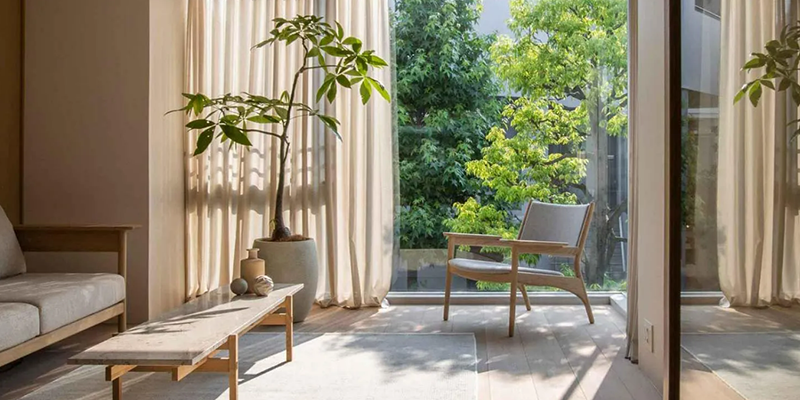
Plush rugs in organic fibers ground the space. Plants thrive in humid air, adding life. Mirrors amplify light, expanding perceived calm. Linen curtains filter daylight softly.
Maintenance for Lasting Peace
Natural stone rewards care. Seal annually to protect beauty. Mild soap cleans daily, harsh chemicals dull over time.
Wipe spills quickly on porous types. Mats prevent scratches from products.
Professional polishing restores luster when needed. Non-slip treatments on floors ensure safety. These habits keep the ambiance effortlessly serene, allowing focus on relaxation rather than upkeep.
Sealing porous stones like travertine, limestone, and marble is essential; reapply sealant at least once a year, and wipe spills immediately to prevent staining.
Natural stone weaves enduring calm into bathrooms, turning functional rooms into personal sanctuaries. Veins telling ancient stories, textures inviting touch, each element nurtures quiet escape. Step into this haven daily, and watch Stress melt away amid timeless grace, where every glance or touch reaffirms peaceful elegance, comfort, balance, mindful living, subtle luxury, emotional warmth, and a deep sense of restorative wellbeing. Isn't it comforting to begin and end each day in a space that quietly restores your peace?
-
Home Improvements
How To Get Stains Out Of Granite Countertops Safely
January 21, 2026
-
Home Improvements
Invisible Wellness Is The Biggest Home Trend Of 2026, Here’s What It Means
January 1, 2026
-
Home Improvements
How To Remove Stains From Quartz Countertops Effectively
December 4, 2025
-
Home Improvements
Shower Door Replacements For Clear And Inviting Entries
November 20, 2025
-
Home Improvements
Frameless Glass Shower Enclosures For Open-Concept Upgrade
November 17, 2025
-
Home Improvements
Planning a Spa-Inspired Bathroom Remodel For Daily Relaxation
November 14, 2025