Author:Arooba
Released:November 17, 2025
Bathrooms are changing. They are no longer just functional spaces. Many homeowners now want bathrooms that feel open, clean, and relaxing. One of the best ways to achieve this look is by installing a frameless glass shower enclosure.
This type of shower design removes visual barriers and creates a smooth, modern feel. It is a popular choice for open-concept bathrooms and minimalist designs.
What Is a Frameless Glass Shower Enclosure
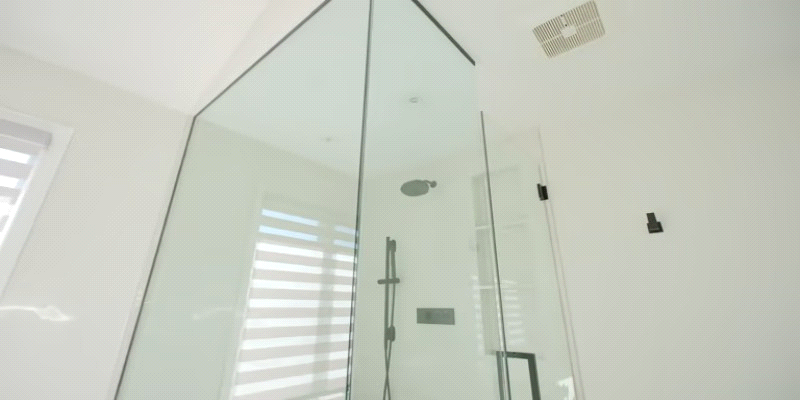
A frameless glass shower enclosure is made using thick, strong glass panels. These panels are installed without bulky metal frames. Instead, small hinges and brackets hold the Glass in place. The result is a clean and seamless look.
A seamless glass shower allows the eye to move freely across the space. There are no heavy borders to break the design. This makes the bathroom feel larger and more open, even in smaller homes.
Structural Components and Glass Specifications
Frameless shower enclosures use tempered glass panels ranging from 3/8 inch to 1/2 inch thick. The 3/8-inch thickness suits standard residential applications, while the 1/2-inch Glass provides enhanced stability for larger installations or door panels exceeding 30 inches in width.
Tempered Glass undergoes thermal treatment that increases impact resistance by approximately 400% compared to annealed Glass, shattering into small granular pieces rather than dangerous shards if broken.
Hardware Mounting Systems
Small pivot hinges and through-glass clamps secure panels without perimeter framing. Wall-mounted channel systems anchor fixed panels to vertical surfaces and typically require attachment to wall studs or solid blocking. Floor-mounted channels stabilize bottom edges when header support is unavailable. Hardware finishes include polished chrome, brushed nickel, matte black, and oil-rubbed bronze, allowing coordination with existing bathroom fixtures.
Glass Thickness and Door Weight Considerations
Door panels typically use 1/2-inch tempered Glass for structural stability during repeated operation. A standard 30-inch by 72-inch door panel weighing approximately 100 pounds at this thickness requires robust hinges rated for extended use cycles. Three hinges distribute weight more effectively than two for doors exceeding 36 inches in height, reducing Stress concentration at mounting points.
Load Distribution Requirements
Wall studs must support the combined weight of the glass panels and the hardware. Standard wood studs handle frameless shower installations when proper blocking reinforces mounting locations. Tile installations over cement board require anchor systems that penetrate the structural framing rather than relying solely on surface materials.
Spatial Perception and Light Transmission
Frameless enclosures eliminate the visual interruption created by metal framing systems. Unobstructed sight lines allow continuous floor and wall tile patterns to extend through shower areas, creating unified spatial perception. Clear Glass transmits approximately 90% of visible light, significantly brightening shower interiors compared to framed enclosures with frosted or textured panels.
Design Integration Methods
Floor tiles installed continuously from the bathroom into the shower establish seamless transitions. Wall tile patterns carried through glass-enclosed areas reinforce spatial continuity. Consistent grout colors between the shower and bathroom zones strengthen visual flow. These techniques make bathrooms appear larger than actual square footage, particularly valuable in compact urban homes.
Configuration Options for Different Layouts
Corner Installation Systems
Corner enclosures are ideal for smaller bathrooms, using two glass panels meeting at 90-degree angles to maximize floor space. One panel is typically fixed, while the other operates as a hinged door. Neo-angle configurations use three panels meeting at obtuse angles, fitting neatly into corners while offering wider entry openings. When planning, consider door swing space and clearance for towel racks or cabinets nearby. Ensure the floor slope directs water toward the drain without pooling near the hinge.
Walk-In Shower Designs
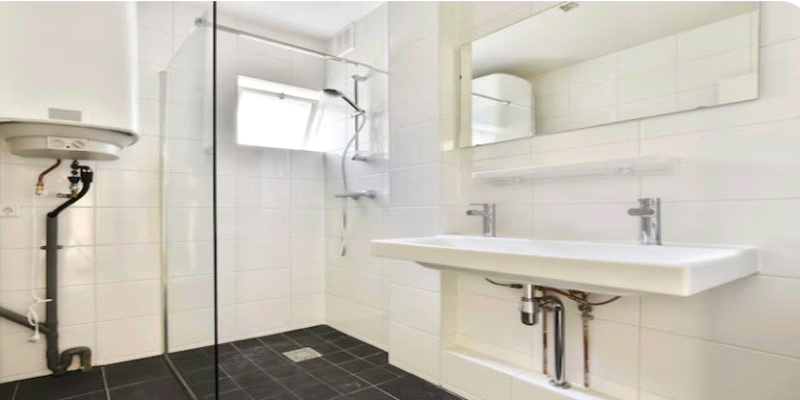
Walk-in showers eliminate doors, relying on one or two fixed glass panels as splash guards. These setups require careful floor sloping toward strategically placed drains to prevent water from spilling into the main bathroom area. Recommended minimum dimensions are 36 inches by 48 inches, with a depth of 42 inches for more comfortable spray containment. Adding a low-profile threshold or linear drain along the open side can improve water control while maintaining the open aesthetic.
Custom Panel Arrangements
Frameless systems can accommodate irregular wall angles, sloped ceilings, or architectural features using custom-measured panels. Glass is cut to precise site dimensions rather than standard sizes, making it suitable for historic homes or non-standard layouts. When choosing custom panels, verify that all walls are properly reinforced to support heavy Glass and that hinges or clamps are rated for non-standard angles.
Glass Treatment and Privacy Options
Clear Glass maximizes light and spatial openness, while frosted Glass via acid etching offers privacy without sacrificing too much light (transmitting ~60–70%). Rain glass distorts visibility and adds texture for design interest. Partial frosting—applied to lower sections—ensures privacy at eye level while keeping upper areas clear for brightness. For added flexibility, some panels allow switchable or adhesive films to adjust opacity as needed.
Combining clear and frosted panels allows homeowners to balance openness with privacy, enhancing comfort without feeling enclosed.
Consider combining panel types in a single layout (e.g., clear upper panels with frosted lower panels) to balance openness and privacy. Always confirm measurements and floor slopes before ordering custom glass to prevent water leaks and ensure smooth operation.
Maintenance Requirements and Water Management
Daily Cleaning Protocols
Squeegee glass surfaces immediately after showering to prevent mineral deposits from forming on the water droplets. This 30-second routine significantly reduces hard-water spotting and soap scum. Keep squeegees inside shower enclosures for convenient access, encouraging consistent use by all household members.
Protective Coating Applications
Hydrophobic coatings create microscopic barriers, causing water to bead and sheet off glass surfaces rather than spreading into films that leave spots. Commercial products like EnduroShield or similar treatments bond molecularly to Glass, lasting one to three years depending on water hardness and cleaning frequency. Apply coatings to newly installed enclosures before first use for optimal adhesion.
Weekly Cleaning Solutions
Mix equal parts white vinegar and water in spray bottles for effective, non-toxic cleaning. Spray glass surfaces, allow the solution to sit for 3 to 5 minutes, then wipe with microfiber cloths. For stubborn deposits, make a paste of baking soda and water, apply with a soft sponge, and rinse thoroughly. Avoid abrasive scrubbers that scratch glass surfaces, creating rough areas where deposits accumulate more readily.
Installation Planning and Professional Requirements
Professional installation is strongly recommended for frameless glass shower enclosures to ensure accurate measurement, secure mounting, and proper waterproofing. Installers check wall plumb and floor level before ordering custom panels, as Glass cannot compensate for uneven surfaces. Walls that deviate more than 1/4 inch over 72 inches must be corrected before installation.
Waterproofing Integration
Shower pan membranes should extend at least 6 inches beyond the glass footprint to protect subfloors. Wall waterproofing membranes behind tiles should overlap the pan by at least 2 inches to create a continuous barrier. Bottom channels require full-length silicone sealing to the shower base to prevent leaks.
Cost Factors and Budget Planning
Frameless glass enclosures are generally 30–50% more expensive than semi-frameless or framed alternatives due to thicker Glass, precise fabrication, and custom hardware. Standard rectangular panels are the most cost-effective, while custom angles, curves, or oversized panels increase both material and labor costs. Hardware finish has minimal impact on price compared to glass thickness and panel complexity.
Tips: Confirm the installer's experience with heavy glass doors, ensure proper wall reinforcement or blocking, and plan for potential floor slope adjustments to maintain adequate drainage. Adequate planning upfront avoids costly errors and water damage.
Elevating Bathroom Style, Space, and Daily Comfort
Frameless glass shower enclosures are a smart upgrade for open and modern bathrooms. A seamless glass shower enhances light and space. A contemporary shower enclosure supports clean design and daily comfort.
The strength of a heavy glass door adds quality and safety. For those planning a minimalist bathroom renovation, frameless showers offer both style and function. With the right design and installation, this upgrade can transform the bathroom into a bright, open, and calming space.


-
Home Improvements
Minimalist Kitchen Design Ideas For A Sleek, Clutter-Free Home
January 3, 2026
-
Home Improvements
How To Fix Cracked Concrete Floors In Your Garage: Step-By-Step Instructions
December 30, 2025
-
Home Improvements
High Energy Efficient Windows: How To Select The Right Windows For Your Home
December 30, 2025
-
Home Improvements
How To Use Natural Stone To Create a Calm Bathroom
November 25, 2025
-
Home Improvements
A Step Toward Relaxation: Converting To a Japanese Ofuro
November 19, 2025
-
Home Improvements
Planning a Spa-Inspired Bathroom Remodel For Daily Relaxation
November 14, 2025