Author:Andy
Released:January 1, 2026
Is your home actually making you tired? You might have the best decor, but hidden factors like poor air and harsh light are draining your energy. Let's look at how invisible wellness can turn your house into a recovery hub.
What Exactly Is Invisible Healthy Design?
When we talk about a healthy house, we usually think of organic vegetable gardens or home gyms. But in 2026, the focus has shifted toward invisible wellness.
This concept is about the systems running behind your walls and the microscopic quality of your environment. It's not about how a room looks in a photo; it's about how the air, light, and sound in that room affect your hormones, lungs, and Stress levels.
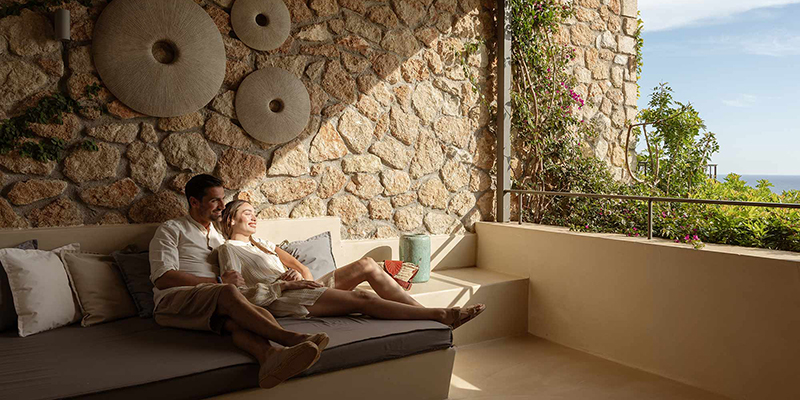
Think of your home as a third skin. Just as your clothes protect you from the elements, your home's healthy design should actively support your biological needs. We are moving away from purely aesthetic choices and toward science-backed adjustments that improve your daily life.
It sounds technical, but the application is actually quite simple. Once you understand that your environment dictates your mood, you can start making small changes that yield massive results. Let's start with the most vital element: the air you breathe.
Breathing Better: Air Quality Beyond Just Opening A Window
Most people spend 90% of their time indoors, where air pollution can be five times higher than outside. Dust, pet dander, and off-gassing from cheap furniture create a cocktail that wears down your immune system. Creating a wellness home starts with a proactive air strategy.
Practical Upgrades:
- HEPA is the Gold Standard: If you're buying a portable purifier, ensure it has a True HEPA filter and an activated carbon layer. The carbon layer is what actually removes smells and harmful chemicals (VOCs) from paints and plastics.
- The Shoes Off Rule: It's the lowest-cost health hack. 80% of the toxins and heavy metals in home dust are tracked in from outside on the soles of shoes. Setting up a dedicated shoe station at the door keeps these out of your carpets.
- Monitor, Don't Guess: Buy a low-cost air quality monitor. Look for one that tracks PM2.5 (fine particles) and CO2. When the CO2 levels spike, it's a physical signal that your brain isn't getting enough oxygen, which is why you feel groggy during afternoon meetings.
Material Choices:
When replacing carpets or painting, look for Zero-VOC labels. The traditional new-house smell is actually chemicals escaping into your lungs. Choosing natural wool rugs or clay-based paints can immediately lower the toxic load in your bedroom. If you buy new furniture, let it air out in a garage or a room with the windows open for 48 hours before bringing it into your main living space.
Fixing the air helps you breathe, but fixing the light helps you sleep. Let's look at how to sync your home with your internal clock.
Circadian Lighting: Using Glow To Fix Your Sleep
Your body runs on a 24-hour internal clock called a circadian rhythm. For thousands of years, this was set by the sun. Today, our bright LED overhead lights and blue-screen devices trick our brains into thinking it's noon at 10 PM. This stops the production of melatonin, the hormone that helps you sleep.
How To Implement Circadian Lighting:
- Morning Brightness: Start your day with high-intensity, cool blue-toned light. This mimics the morning sun, telling your brain to stop producing melatonin and start producing cortisol (the get-up-and-go hormone). Open your curtains the moment you wake up.
- Evening Warmth: After 6 PM, switch to warm amber-toned lights. Use floor lamps instead of ceiling lights. Light hitting your eyes from a lower angle—similar to a campfire—is less disruptive to your sleep cycle than light coming from directly above.
- The Red Light Trick: For nighttime bathroom trips, use a dim red nightlight. Red light has the least impact on your sleep cycle, so you can head back to bed and fall asleep instantly.
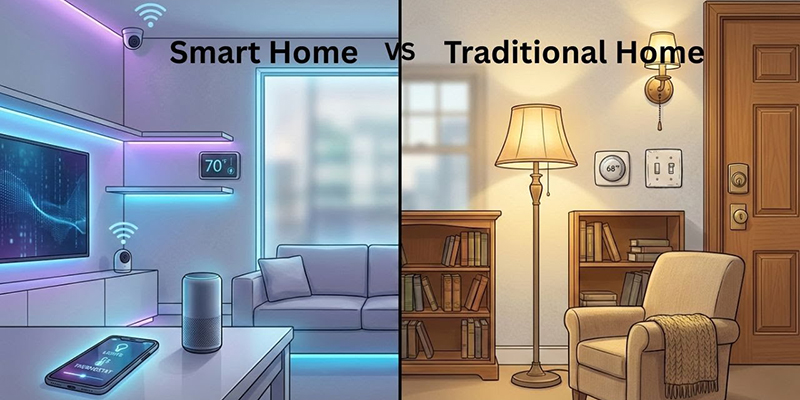
Smart Home Vs. Manual:
You don't need a $10,000 automated system. You can buy smart bulbs for $15 that automatically change color temperature based on the time of day through a phone app. It's a small investment that pays off in much deeper, more restorative sleep.
While light manages your energy, sound manages your Stress. If your home is noisy, your nervous system never truly relaxes.
Acoustic Comfort: The Silent Pillar Of Wellness
We often ignore noise until it's annoying, but sonic clutter keeps your body in a state of low-level Stress. Whether it's the hum of a refrigerator, traffic outside, or echoes in a minimalist room, sound impacts your heart rate.
Easy Sound-Dampening Fixes:
- Soft Goods are Natural Silencers: If a room feels echoey, it's stressful. Add heavy linen curtains, wool rugs, or even wall tapestries. These absorb sound waves rather than bouncing them back at you.
- The White Noise Strategy: If you live near a busy street, don't just suffer through the noise. Use a dedicated white noise machine or a fan. Constant, steady sound is much easier for the brain to ignore than the sudden spike of a car horn or a barking dog.
- Seal the Gaps: Most noise enters through gaps in doors and windows. Installing simple weather stripping or a heavy door sweep can reduce outside noise by up to 30%. It also helps with energy efficiency, which is a nice bonus.
Once you've tackled the invisible factors like air, light, and sound, it's time to bring in the one thing humans crave most: nature.
Biophilic Design: Bringing The Outside In
Biophilic design is a fancy term for a simple human truth: we feel better when we are connected to nature. It's not just about putting a cactus on your desk. It's about incorporating natural patterns, textures, and views into your living space.
Practical Ways To Use Biophilic Design:
- Fractal Patterns: Humans find comfort in the repeating patterns found in nature (like the veins in a leaf or the grain in wood). Choose wooden furniture that shows the natural grain, or wallpaper with organic, non-geometric patterns.
- Vary Your Textures: A healthy house shouldn't feel like a plastic box. Mix stone, wood, linen, and leather. These tactile differences ground us and reduce sensory boredom.
- Maximize Green Views: If you have a window, make sure the view isn't blocked by clutter. If you look out at a brick wall, hang a window box with trailing plants. Seeing green life for even five minutes a day lowers blood pressure.
Plant Selection Tip:
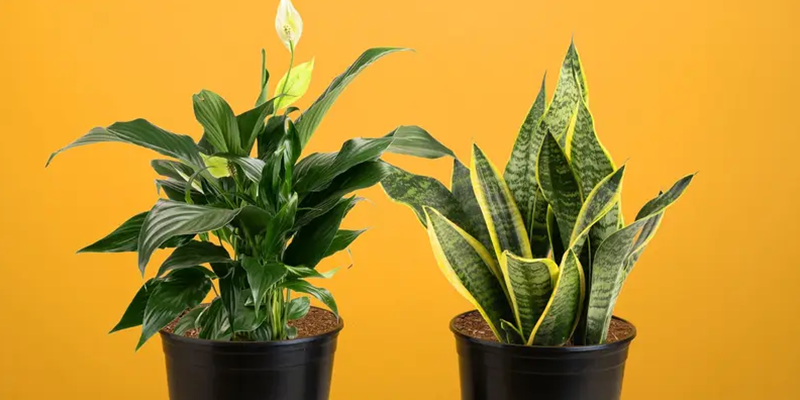
Don't just buy what looks pretty. If you want air-purifying benefits, go for Snake Plants or Peace Lilies. They are hard to kill and are proven to scrub common household toxins from the air. Even if you don't have a green thumb, these varieties are very forgiving.
Now that we've covered the big pillars, you might be wondering how to do all this without a massive renovation budget.
The Low-Budget Guide To A Healthy Home Upgrade
You don't need to be a millionaire to live in a wellness home. Most of the benefits come from subtraction and small, smart additions.
For air quality, you can choose between a high-end whole-house HVAC filtration system or a simpler $100 HEPA purifier paired with opening your windows for 10 minutes every morning. Both will significantly lower the particle count in your home.
When it comes to lighting, instead of a fully automated circadian system, you can use $15 smart bulbs and make a habit of getting 20 minutes of morning sunlight outside. This sets your internal clock just as effectively as expensive tech.
For water, if you can't afford a reverse osmosis system under your sink, a high-quality glass pitcher filter is a great alternative. It removes chlorine and heavy metals without the high installation cost.
To bring nature in, you don't need a living green wall. Three or four large potted floor plants placed in the corners of your main living area will provide the same psychological benefits for a fraction of the price.
The One Room At A Time Approach:
If you're overwhelmed, start with the bedroom. You spend a third of your life there, and it's where your body does its most important repair work. Fix the light and air in your bedroom first, and you'll see the biggest impact on your health immediately.
Choosing Materials: What To Look For And What To Avoid
When you are shopping for new items, the labels can be confusing. To maintain a healthy design standard, you need to be a bit of a detective.
- Avoid Performance Fabrics: Many stain-resistant or water-resistant couches are treated with PFAS (forever chemicals). These can shed into your house dust. Stick to naturally resistant fibers like wool or tight-weave cotton.
- Check the Padding: When buying a mattress or sofa, ask if the foam is CertiPUR-US certified. This ensures it's made without ozone depleters and has low chemical emissions.
- Wood vs. Particle Board: Cheap furniture is often made of particle board held together by formaldehyde-based glues. If you can't afford solid wood, look for NAF (No Added Formaldehyde) labels.
By choosing better materials, you aren't just buying furniture; you're choosing what chemicals you want to live with for the next ten years.
Your Action Plan For A Healthier Home
Creating a healthy house isn't a weekend project; it's a shift in how you view your living space. Start by auditing your home today. Does the air feel stale? Do you wake up with a stuffy nose? Is your evening lighting too harsh?
Pick one thing from this guide, maybe it's buying a HEPA filter or switching to warm bulbs in your bedside lamps. Your home should be the place where you recharge, not a place that drains your energy. Take control of your environment and start feeling the difference that invisible wellness makes!
-
Home Improvements
High Energy Efficient Windows: How To Select The Right Windows For Your Home
December 30, 2025
-
Home Improvements
How To Fix Cracked Concrete Floors In Your Garage: Step-By-Step Instructions
December 30, 2025
-
Home Improvements
Why Choose a Rainfall Showerhead For Your Daily Shower
November 27, 2025
-
Home Improvements
Shower Door Replacements For Clear And Inviting Entries
November 20, 2025
-
Home Improvements
Frameless Glass Shower Enclosures For Open-Concept Upgrade
November 17, 2025
-
Home Improvements
Space-Saving Shelving Solutions For Serene Bathroom Organization
November 11, 2025