Author:Arooba
Released:November 17, 2025
Canvas storage bins have become a preferred alternative to rigid plastic and bulky wooden containers, particularly in living spaces where appearance and usability must coexist. While often marketed for their softness and visual appeal, their real value lies in versatility, durability, and adaptability across different rooms. When selected correctly, canvas bins offer structured storage without visual heaviness, making them suitable for bedrooms, bathrooms, living rooms, and closets.
This guide focuses on practical considerations, size, material, load capacity, placement, and cost, to help readers choose canvas storage bins that perform well in real homes.

What Makes Canvas Bins Functionally Different
Unlike traditional plastic bins, canvas storage containers are designed to balance structure with flexibility. High-quality options use heavy cotton canvas, linen blends, or jute-based fabrics, often reinforced with internal frames or thick stitching. This construction allows them to hold shape while remaining lightweight and collapsible.
Well-made canvas bins typically support 10–40 lbs, depending on size and reinforcement. Smaller bins for shelves or vanities usually handle lighter items, while large bins with metal or cardboard frames can safely store blankets, books, or laundry.
Choosing the Right Canvas Bin by Room Bedroom Storage Solutions
Bedrooms require storage that remains visually calm while handling daily-use items.
Recommended sizes:
Small bedside bins: 10–12 inches wide
Closet shelf bins: 12–14 inches wide
Blanket or laundry bins: 16–20 inches wide
Best uses:
Extra pillows and throws
Seasonal clothing
Books and magazines
Laundry overflow
Material guidance:
Thick cotton canvas or linen blends with reinforced rims work best. Avoid thin fabric bins for heavier items, as they tend to sag over time.
Brand examples:
StorageWorks Canvas Bins (Amazon): Reinforced handles, 13–16 inch sizes, around $20–35
IKEA SKUBB Fabric Boxes: Lightweight and affordable, best for clothing; $10–20
Bathroom Storage and Moisture Considerations
Bathrooms demand storage that tolerates humidity while maintaining hygiene.
Recommended sizes:
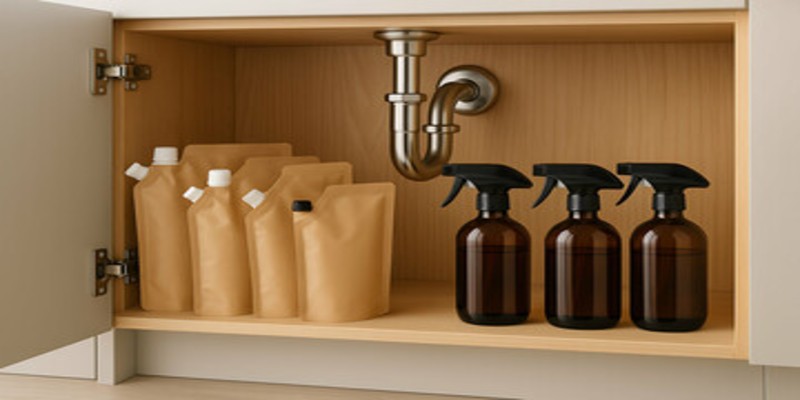
Under-sink bins: 10–12 inches wide
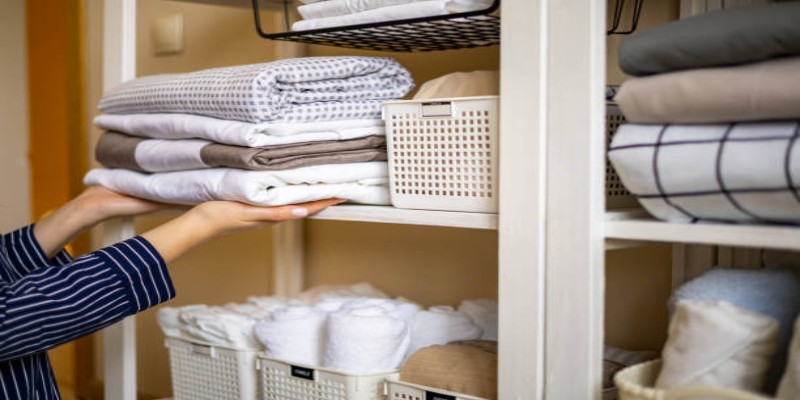
Open shelf towel bins: 14–18 inches wide
Best uses:
Rolled towels
Spare washcloths
Toiletries and hair tools
Cleaning supplies
Material guidance:
Choose canvas bins with linen or cotton blends that allow airflow. Avoid plastic-lined interiors unless used strictly for dry items. Washable fabric is a strong advantage in bathrooms.
Brand examples:
mDesign Soft Fabric Storage Bins: Moisture-friendly, structured sides, $15–30
The Container Store Cotton Canvas Bins: Durable and washable, $25–45

Living Room Organization Without Visual Clutter
In shared living spaces, storage should blend into the environment rather than draw attention.
Recommended sizes:
Media and accessory bins: 12–14 inches
Toy or blanket bins: 16–18 inches
Best uses:
Remote controls and chargers
Board games
Children’s toys
Throw blankets
Material guidance:
Neutral-colored canvas with rigid sides works best. Handles are essential for frequent movement. Look for bins with reinforced bottoms to prevent warping under weight.
Brand examples
West Elm Canvas Storage Bins: Heavier canvas, clean design, $40–60
Target Brightroom Fabric Bins: Affordable and consistent sizing, $12–25
Structural Features That Matter: Reinforcement and Shape Retention
The most common failure point in canvas bins is shape loss. Quality bins include:
Metal or cardboard frames at the rim
Thick double stitching along seams
Flat, reinforced bases
Without these features, bins collapse under minimal weight and become challenging to use.
Handles and Portability
Handles should be stitched through reinforced panels, not just the outer fabric. Rope or woven fabric handles perform better than thin cotton loops, especially for bins carrying books or linens.
Weight Capacity and Intended Use
Understanding load limits prevents premature wear:
Light-duty bins (up to 10 lbs): Accessories, toiletries
Medium-duty bins (15–25 kg): Clothing, towels, toys
Heavy-duty bins (30–40 kg): Books, blankets, laundry
Exceeding recommended capacity shortens lifespan and causes distortion.
Price Ranges and What to Expect
Canvas storage bins vary widely in cost based on construction quality:
Budget ($10–20): Thin canvas, minimal reinforcement; suitable for light use
Mid-range ($20–40): Structured sides, strong handles; best overall value
Premium ($40–70): Thick fabric, designer finishes, long-term durability
For everyday household use, mid-range bins offer the best balance between cost and performance.
Coordinating Size and Color for Better Organization
Using consistent bin sizes allows for cleaner shelf alignment and easier stacking. Color coordination can also serve a functional purpose:
Dark tones for electronics or tools
Light neutrals for linens and clothing
Patterned bins for children’s items
This approach improves retrieval without requiring labels or visible categorization systems.
Maintenance and Longevity
Most canvas bins require minimal care:
Spot clean with mild detergent
Air dry completely before reuse
Avoid prolonged exposure to moisture for non-lined bins
Many cotton canvas bins are machine washable, though internal frames should be removed first when possible. Final Assessment
Canvas storage bins are most effective when selected based on room function, load requirements, and construction quality, not appearance alone. Their value lies in flexibility, safety, and visual neutrality, making them suitable for nearly every living space. When chosen with proper sizing, reinforcement, and material in mind, canvas bins provide a long-lasting, adaptable storage solution that integrates naturally into modern homes.



-
Home Improvements
What Your Kitchen Handles Say About Your Style - and How to Get It Right
January 21, 2026
-
Home Improvements
1-Day Walk-in Shower Upgrade: Here’s the Estimated Cost
January 20, 2026
-
Home Improvements
Biophilic Home Design: How To Bring Nature Into Your Living Space
January 10, 2026
-
Home Improvements
Why Choose a Rainfall Showerhead For Your Daily Shower
November 27, 2025
-
Home Improvements
Modular Cabinetry For Efficient And Calming Storage Layouts
November 16, 2025
-
Home Improvements
From Chaos To Calm: Master Bathroom Organization With Tiered Trays
November 9, 2025